

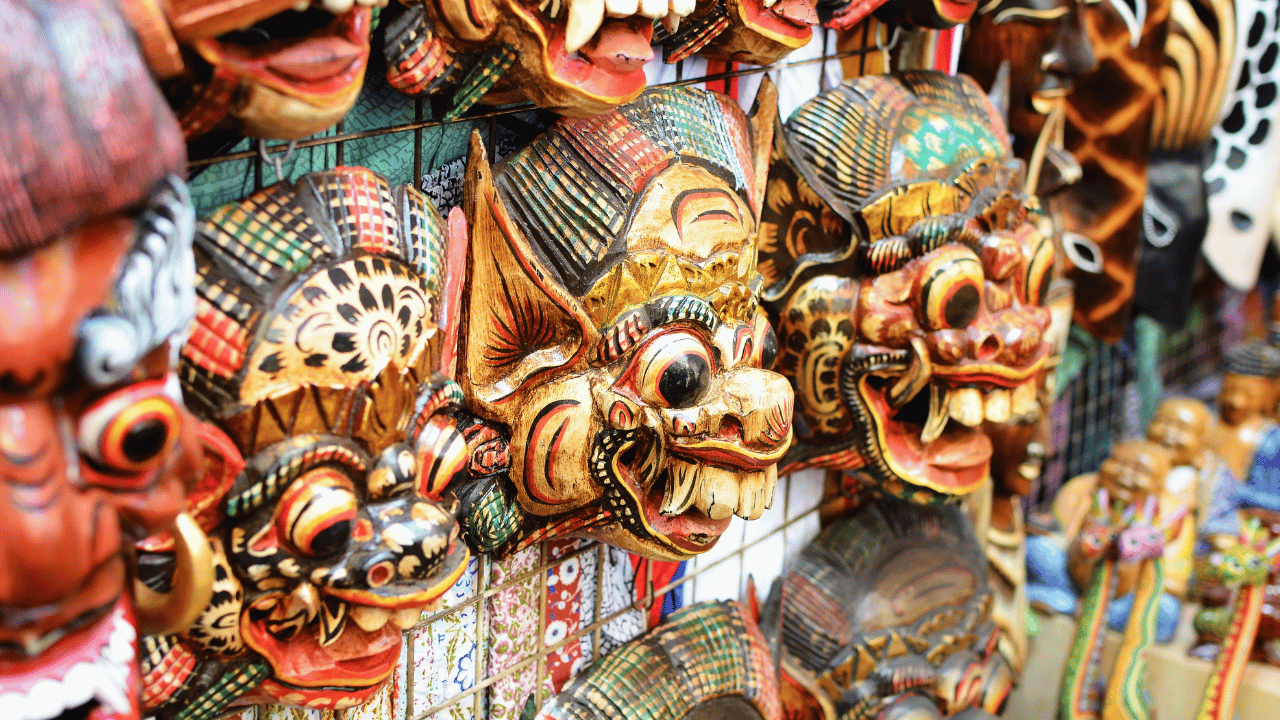
Ubud Art Market is one of Bali’s most iconic places for cultural shopping. Visitors come here to find handmade crafts, local artwork, textiles, souvenirs, and traditional Balinese products.
This market is more than a shopping stop in central Ubud. It offers a close look at Balinese creativity, daily trade, and artistic heritage.
Introduction to Ubud Art Market
Ubud Art Market is a lively destination where art, culture, and shopping meet in one place. It attracts travelers who want meaningful souvenirs from Bali.
The market is also known for its colorful stalls and local sellers. Visitors can explore many handmade products while enjoying the traditional Ubud atmosphere.
Why Ubud Art Market Is One of Bali’s Most Famous Shopping Destinations
Ubud has long been known as Bali’s cultural and artistic center. This makes the market a natural place to find creative local products.
Many travelers visit Ubud Art Market because it offers variety and convenience. Shoppers can find bags, paintings, fabrics, decorations, jewelry, and clothes in one area.
The market is also easy to combine with other Ubud attractions. Its central location makes it popular for half-day or full-day itineraries.
The Cultural Atmosphere of Ubud Traditional Art Market
The atmosphere feels busy, colorful, and deeply local. Sellers display products closely together, creating a vibrant shopping experience.
Visitors can hear bargaining conversations throughout the market. This interaction is part of the traditional shopping culture in Bali.
Many items reflect Balinese life, ceremonies, nature, and artistic traditions. That makes the market interesting beyond ordinary souvenir shopping.
What Makes Ubud Art Market Different From Other Bali Markets
Ubud Art Market stands out because of its strong connection with local art. Many products are inspired by nearby craft villages and Ubud’s artistic identity.
The market also offers a more cultural setting than many beachside markets. Visitors can shop while surrounded by temples, galleries, cafes, and traditional architecture.
Its location near Ubud Palace adds more value to the experience. Travelers can enjoy both shopping and heritage in one visit.
History of Ubud Traditional Art Market
Ubud has been connected with art for generations. Local communities have produced paintings, carvings, textiles, and handmade crafts for many years.
The market grew as tourism developed in central Ubud. It became a place where artisans and sellers could offer products to local and international visitors.
Today, Ubud Art Market remains an important part of Ubud’s identity. It supports local trade while preserving Bali’s creative traditions.
Where Is Ubud Art Market Located?
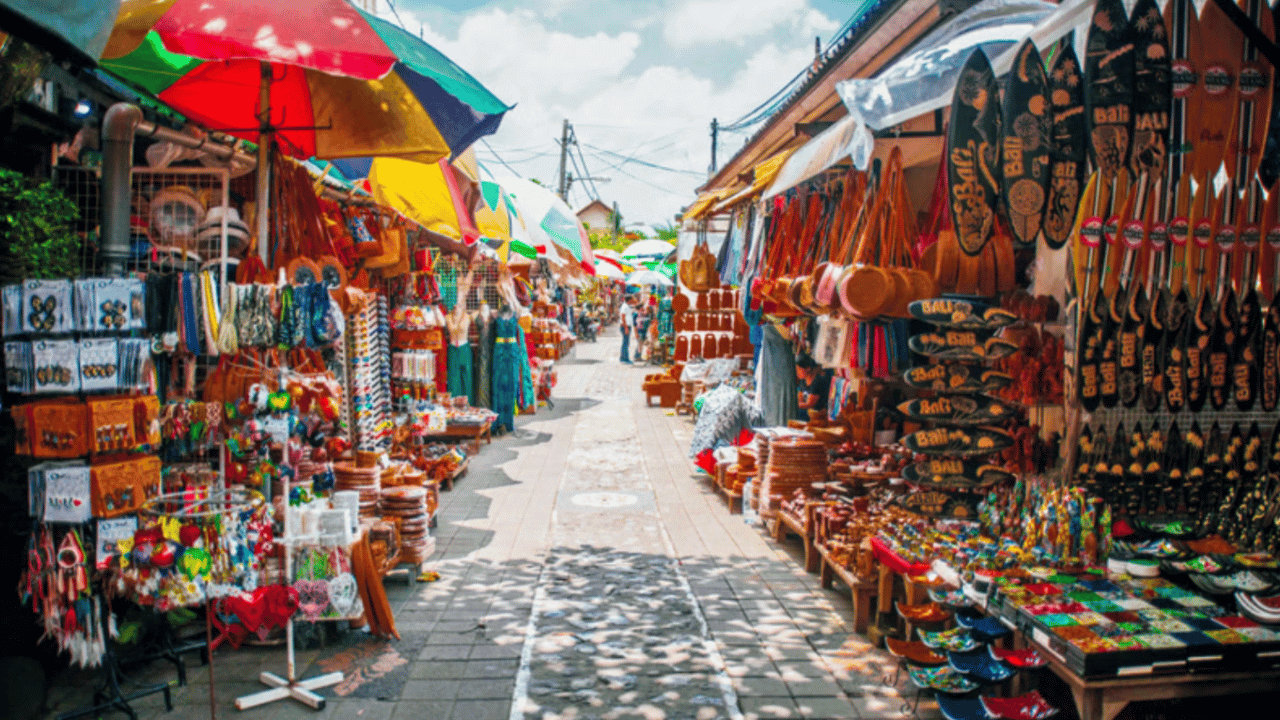
Ubud Art Market is located in the heart of central Ubud. Its strategic position makes it easy to reach from many popular places.
The market is surrounded by cultural attractions, restaurants, cafes, and small shops. This makes it a practical stop during an Ubud walking trip.
Ubud Art Market Address and Central Ubud Location
The market is located along Jalan Raya Ubud in Gianyar Regency. It sits near Ubud Palace and several popular cultural landmarks.
This central position makes the market easy to find. Many visitors reach it while exploring Ubud on foot.
Because it is in a busy tourism area, traffic can become slow. Visitors should plan travel time carefully during peak hours.
Nearby Attractions Around Ubud Art Market
Ubud Palace is located across from the market. This makes it one of the easiest attractions to visit nearby.
Saraswati Temple is also close and worth visiting. Its lotus pond and Balinese architecture create a peaceful cultural stop.
Jalan Monkey Forest is another popular area nearby. Visitors can continue walking toward shops, cafes, galleries, and Monkey Forest.
How to Reach Ubud Art Market From Popular Bali Areas
From Seminyak or Canggu, the trip may take around one to two hours. Travel time depends heavily on traffic conditions.
From Sanur, the journey is usually shorter and more direct. Many travelers use private drivers for comfort and flexibility.
From Ubud hotels, the market is often reachable by walking or short transport. Staying near central Ubud makes visiting much easier.
Parking and Transportation Tips for Visitors
Parking near the market can be limited during busy hours. Motorbikes are usually easier to park than cars.
Private drivers often drop visitors near the main road. This helps avoid the stress of finding parking in crowded areas.
Visitors using scooters should be careful around central Ubud traffic. Roads can be narrow, busy, and filled with pedestrians.
Best Routes to Reach Ubud Market
The best route depends on where visitors are staying in Bali. From south Bali, drivers usually pass through Batubulan or Gianyar roads.
From central Ubud, walking is often the easiest option. It allows visitors to enjoy shops and cafes along the way.
Travelers should avoid rushing during the afternoon. Traffic near central Ubud can move slowly during peak tourism hours.
Ubud Art Market Opening Hours and Best Time to Visit
Ubud Art Market is usually active from morning until evening. Visiting at the right time can improve the shopping experience.
The best time depends on your goals. Morning is better for quieter shopping, while afternoon feels livelier.
Ubud Art Market Opening Hours
The market generally opens in the morning and operates until late afternoon or evening. Some stalls may open or close at different times.
Visitors should arrive early for the best selection. Morning visits also offer cooler weather and fewer crowds.
Evening activity may vary between stalls. It is better to shop earlier if you want more choices.
Best Time to Visit for Fewer Crowds and Better Bargaining
Morning is often the best time to visit Ubud Art Market. The market feels calmer, and sellers may welcome their first sales.
Early visits also make browsing more comfortable. Visitors can compare items without dealing with heavy crowds.
Bargaining may feel easier when the market is less busy. However, polite communication is always important.
Morning vs Afternoon Shopping Experience
Morning shopping feels more relaxed and cooler. It is ideal for visitors who want time to explore slowly.
Afternoon shopping feels busier and more energetic. The market may become crowded with tour groups and day visitors.
Both times offer different experiences. Choose morning for comfort and afternoon for a more lively atmosphere.
Weather and Seasonal Tips for Visiting Ubud Market
Ubud can feel warm and humid during the day. Light clothing and comfortable shoes are useful for market walking.
During rainy season, visitors should bring an umbrella or raincoat. Some market areas may feel crowded when rain starts.
Dry season is generally more comfortable for walking around Ubud. Still, sunscreen and water are recommended.
What to Buy at Ubud Art Market
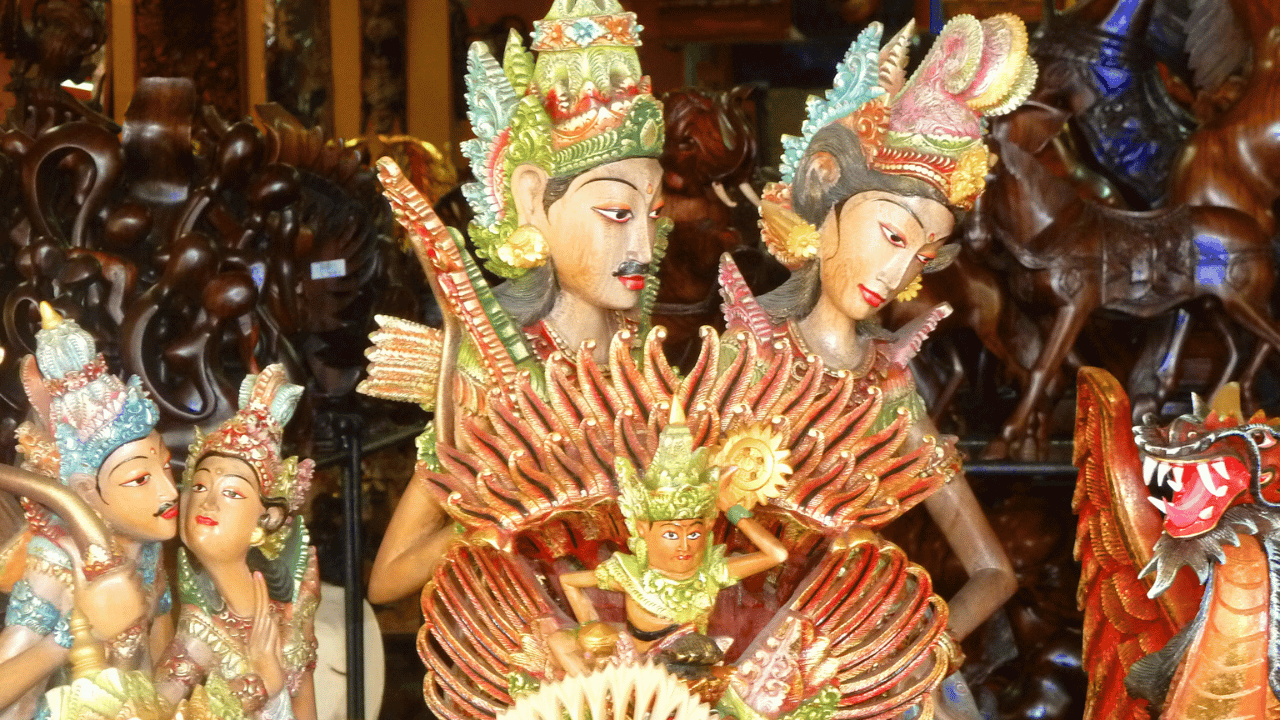
Ubud Art Market offers many products connected to Balinese art and daily culture. Shoppers can find souvenirs for many budgets.
The market is popular for handmade items, decorative goods, textiles, and fashion pieces. It is also a good place for gift shopping.
Handmade Balinese Souvenirs and Traditional Crafts
Handmade souvenirs are among the most popular items here. Visitors can find small crafts, statues, baskets, ornaments, and home decorations.
These products are easy to pack and bring home. They also carry a strong Balinese character.
Balinese Paintings and Local Artwork
Ubud is famous for painting and visual art. The market often offers small paintings and artwork inspired by nature or tradition.
Art lovers can browse different styles and sizes. Some pieces work well as affordable home decoration.
Woven Bags, Rattan Products, and Bamboo Handicrafts
Woven bags are highly popular among tourists. Rattan and bamboo products also make stylish and useful souvenirs.
These items are lightweight and photogenic. Many visitors buy them for fashion, home styling, or gifts.
Batik Fabrics, Sarongs, and Traditional Textiles
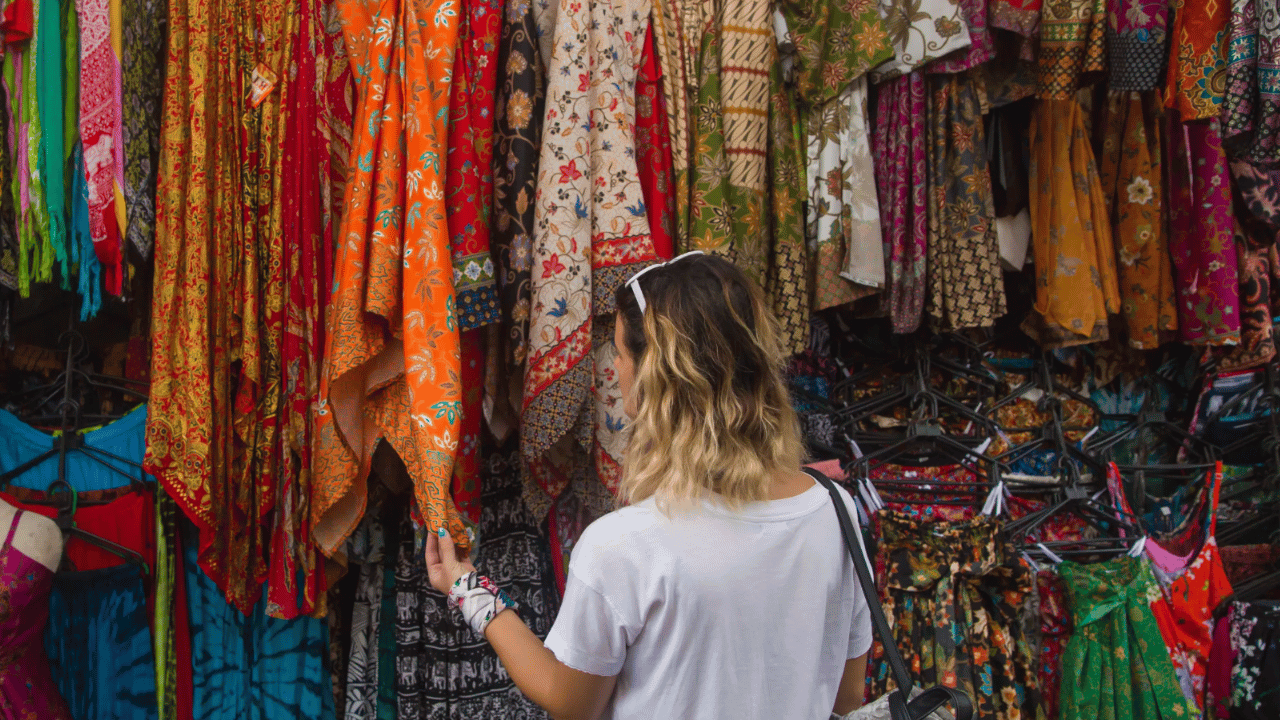
Textiles are common products at Ubud Art Market. Shoppers can find sarongs, scarves, table runners, and batik-inspired fabrics.
Sarongs are especially practical in Bali. They can be used for beach days, temple visits, or casual wear.
Silver Jewelry and Handmade Accessories
Jewelry stalls offer rings, earrings, bracelets, and necklaces. Some pieces feature simple designs, while others show Balinese details.
Accessories are good options for small souvenirs. They are easy to carry and suitable for many budgets.
Wooden Carvings and Home Decorations
Wooden crafts reflect Bali’s strong carving tradition. Visitors can find masks, statues, bowls, and decorative figures.
Larger items may require careful packing. Smaller carvings are easier for travelers with limited luggage space.
Bali-Themed Clothing and Fashion Items
The market sells dresses, shirts, beachwear, and loose tropical clothing. These items suit Bali’s warm climate and relaxed lifestyle.
Visitors should check fabric quality before buying. Some pieces are handmade, while others may be mass-produced.
Best Souvenirs to Bring Home From Bali
Good souvenirs include woven bags, sarongs, small paintings, jewelry, and wood carvings. These items represent Bali’s artistic culture well.
Choose products that are useful and easy to transport. Lightweight items are better for international travelers.
Shopping Tips at Ubud Art Market
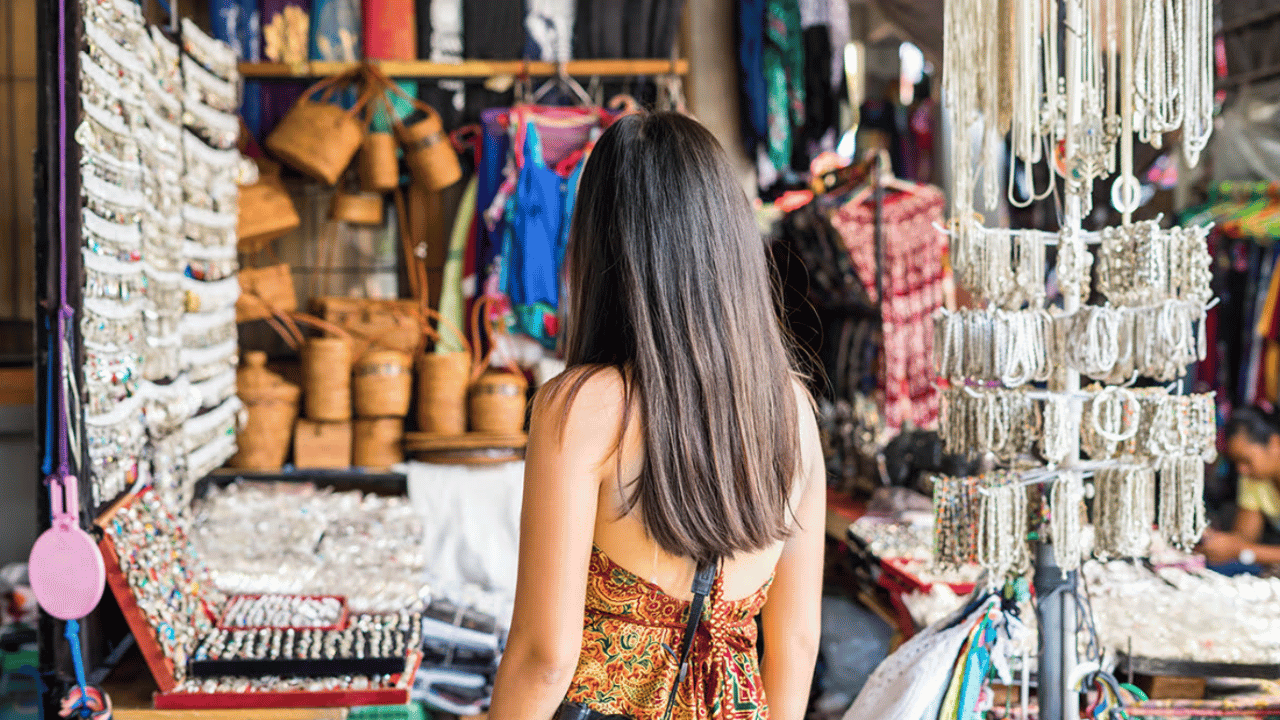
Shopping at Ubud Art Market is more enjoyable with simple preparation. Bargaining, comparing prices, and checking quality are important.
Visitors should shop patiently and respectfully. A friendly attitude can make the experience more pleasant.
How to Bargain Politely at Ubud Art Market
Bargaining is common at traditional markets in Bali. Start with a smile and keep the conversation friendly.
Avoid being rude or too aggressive while negotiating. Sellers appreciate respectful communication and fair offers.
Why Vendors Expect Negotiation
Many vendors expect customers to bargain before buying. Initial prices may be higher than the final selling price.
Negotiation is part of the market culture. It creates interaction between visitors and local sellers.
Recommended Starting Price When Bargaining
A common method is starting below the offered price. Many shoppers begin around half of the first price.
The final price depends on the item and vendor. Always keep the negotiation fair and respectful.
Tips for Comparing Prices Between Stalls
Many stalls sell similar products in different areas. Compare prices before buying the first item you see.
This helps visitors understand the average market price. It also prevents quick decisions based on tourist prices.
Why Bringing Small Cash Is Important
Small cash is useful for faster transactions. Some vendors may not have enough change for large notes.
Cash also helps during bargaining. It makes payment easier after agreeing on a price.
How to Spot Handmade vs Mass-Produced Souvenirs
Handmade items often have small differences in shape, pattern, or finishing. Mass-produced items usually look very identical.
Ask sellers about the product origin when unsure. Some vendors may explain where the item was made.
Common Tourist Shopping Mistakes to Avoid
Avoid buying too quickly without comparing prices. Many tourists overpay because they do not check other stalls.
Do not forget to inspect quality before payment. Check seams, zippers, colors, wood finishing, and item condition.
Payment Methods Accepted at Ubud Art Market
Good souvenirs include woven bags, sarongs, small paintings, jewelry, and wood carvings. These items represent Bali’s artistic culture well.
Choose products that are useful and easy to transport. Lightweight items are better for international travelers.
Best Things to Do Around Ubud Art Market
The area around Ubud Art Market offers many attractions within walking distance. Visitors can combine shopping with culture, food, and sightseeing.
This makes the market a strong starting point for exploring central Ubud. A short visit can easily become a half-day experience.
Visit Ubud Palace Across the Market
Ubud Palace is one of the closest attractions. Its traditional architecture makes it a beautiful cultural stop.
Visitors can take photos and enjoy the royal Balinese atmosphere. It is also popular for evening cultural performances.
Explore Saraswati Temple Nearby
Saraswati Temple is known for its lotus pond and elegant design. It offers a calmer break from the busy market.
The temple area is great for photography and cultural appreciation. Visitors should behave respectfully when visiting religious spaces.
Walk Along Jalan Monkey Forest
Jalan Monkey Forest connects central Ubud with many shops and restaurants. It is a popular walking route for tourists.
Visitors can find cafes, boutiques, massage places, and local stores. The street is lively throughout the day.
Discover Cafes and Restaurants Around Ubud Center
Central Ubud has many cafes and restaurants for different tastes. Visitors can find Balinese food, healthy meals, coffee, and international menus.
Stopping for food after shopping is a good idea. It gives visitors time to rest and review their purchases.
Combine Your Visit With Campuhan Ridge Walk or Tegalalang
Campuhan Ridge Walk is suitable for a scenic morning walk. It offers green views and a peaceful atmosphere.
Tegalalang Rice Terrace is farther from the market but still popular. Many travelers combine both places in one Ubud itinerary.
How Much Budget Should You Prepare for Shopping?
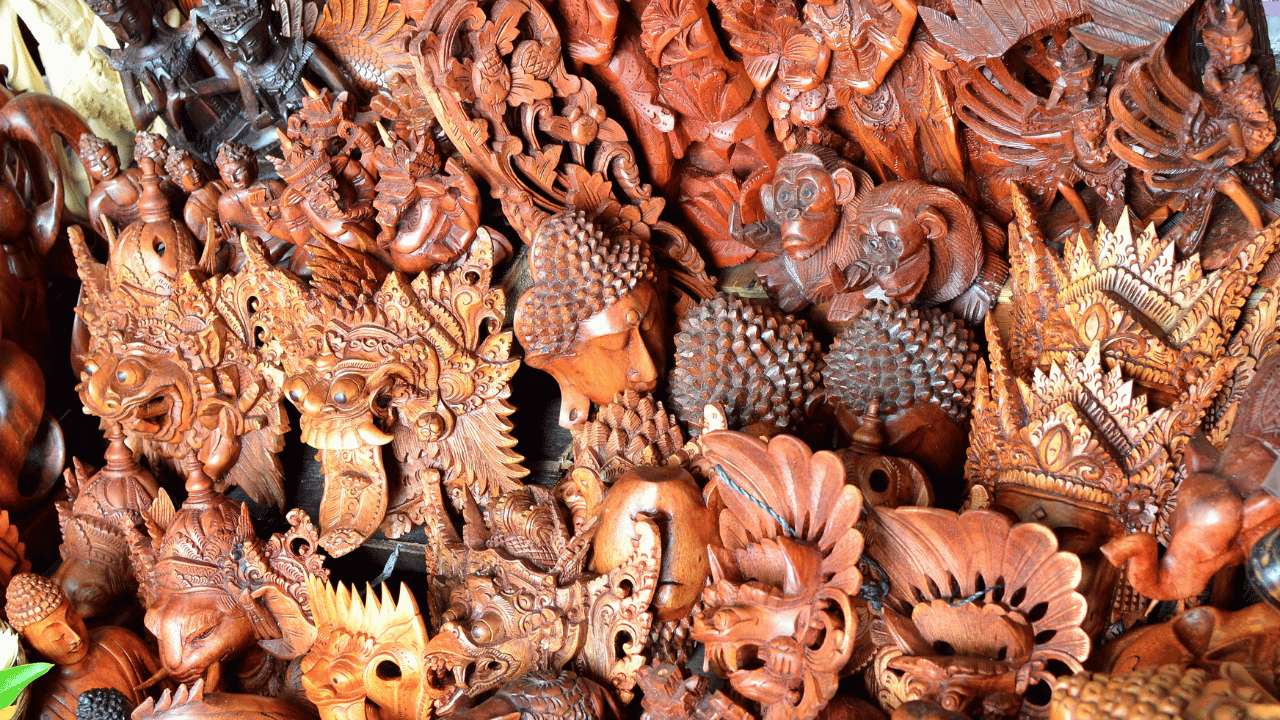
Budget depends on what visitors want to buy at Ubud Art Market. Small souvenirs require less money than artwork or carvings.
A flexible shopping budget helps visitors enjoy browsing without overspending. Planning before arrival is always useful.
Average Prices for Popular Souvenirs
Small accessories and simple souvenirs are usually affordable. Woven bags, clothing, and paintings may cost more.
Prices vary depending on quality, size, and bargaining results. Visitors should compare several stalls before deciding.
Budget Shopping Tips in Ubud
Set a clear spending limit before entering the market. This helps avoid buying too many similar souvenirs.
Prioritize items that feel unique and useful. Avoid purchasing products only because the seller offers a discount.
How to Avoid Overspending at Tourist Markets
Do not carry too much cash in one pocket. Separate your shopping budget from your main travel money.
Walk away politely if the price feels too high. Many similar items can be found in other stalls.
Recommended Places to Stay in Ubud

Staying near central Ubud makes visiting Ubud Art Market easier. Travelers can walk to shops, restaurants, and cultural attractions.
Accommodation choices range from simple guesthouses to private villas. The best option depends on comfort, budget, and travel style.
Use Villa Buddy Service for Accommodation
Villa Buddy can help travelers find suitable villa stays in Ubud. This service is useful for visitors who want comfort and convenience.
A villa stay gives more privacy than many standard hotels. It also works well for couples, families, and longer Bali holidays.
Choosing accommodation near Ubud center saves travel time. It also makes market visits, dining, and sightseeing more flexible.
Travel Tips for Visiting Ubud Art Market
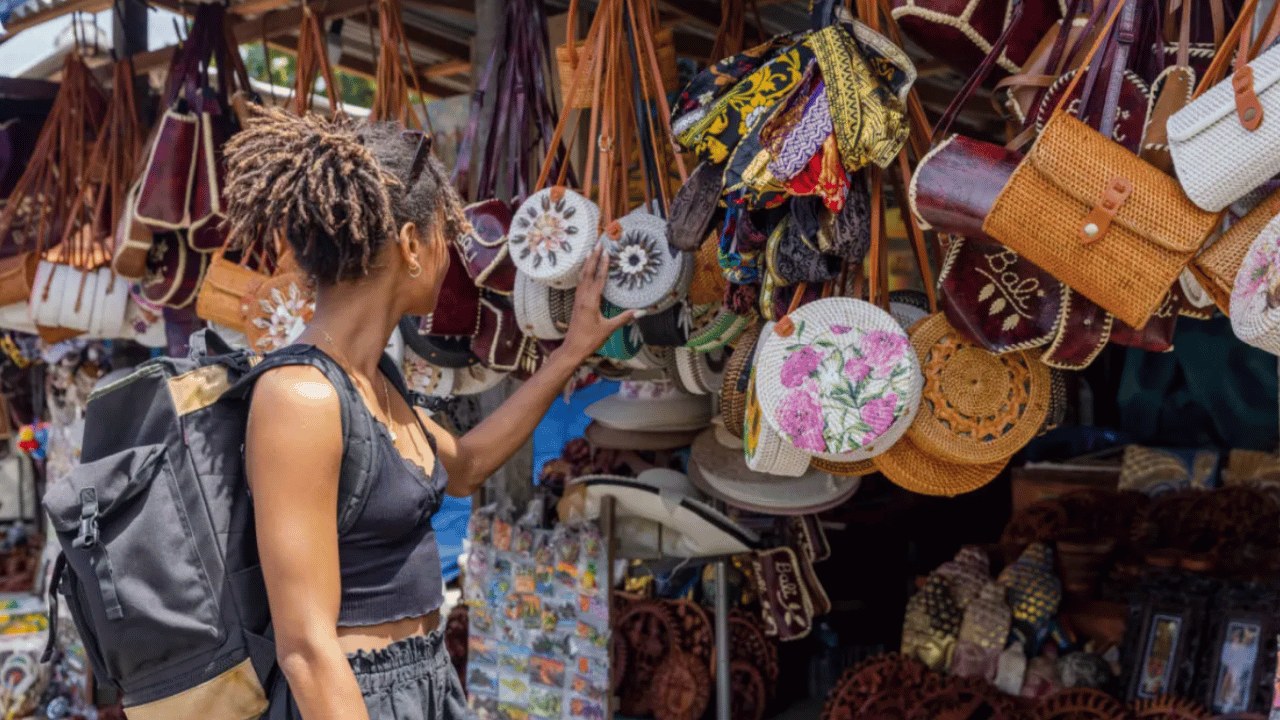
Visiting Ubud Art Market is easier with practical planning. Time, safety, facilities, and crowd levels can affect the experience.
Simple preparation helps visitors shop more comfortably. It also reduces stress in busy central Ubud areas.
How Long Should You Spend at Ubud Art Market?
Most visitors spend one to two hours at the market. This is enough for browsing, bargaining, and buying souvenirs.
Art lovers or serious shoppers may need more time. Nearby attractions can extend the visit into a half-day trip.
Safety Tips While Shopping in Crowded Markets
Keep valuables secure while walking through crowded spaces. Use a closed bag and avoid carrying too many loose items.
Be careful when checking products in narrow stalls. Crowded areas can make movement difficult during peak hours.
Best Time to Avoid Heavy Tourist Crowds
Morning is usually the best time to avoid heavy crowds. Visitors can shop more calmly before tour groups arrive.
Late afternoon can be busier in central Ubud. Traffic and pedestrian activity may also increase around this time.
Facilities Available Around Ubud Center
Central Ubud has many useful facilities for travelers. Visitors can find ATMs, restaurants, cafes, transport services, and convenience stores.
Public facilities may vary around the market itself. It is better to prepare cash, water, and basic needs before shopping.
Why Ubud Art Market Remains a Must-Visit Destination in Bali
Ubud Art Market remains popular because it combines shopping with culture. Visitors can discover local crafts while experiencing central Ubud’s artistic atmosphere.
The market is also easy to visit with nearby attractions. Ubud Palace, Saraswati Temple, cafes, and walking streets are all close.
For many travelers, this market is more than a souvenir stop. It is a memorable place to connect with Bali’s creativity, traditions, and local sellers.
FAQ

Where is Ubud Art Market located?
Ubud Art Market is located on Jalan Raya Ubud in the center of Ubud, Gianyar, Bali. It sits directly across from Ubud Palace and near Saraswati Temple, making it easy to include in an Ubud sightseeing itinerary.
What can I buy at Ubud Art Market?
Visitors can buy handmade Balinese souvenirs, paintings, wooden carvings, woven bags, rattan products, silver jewelry, sarongs, batik fabrics, home decorations, and Bali-themed clothing.
Is bargaining allowed at Ubud Art Market?
Yes, bargaining is a normal part of shopping at Ubud Art Market. Visitors are encouraged to negotiate politely and respectfully to reach a fair price with local vendors.
What is the best time to visit Ubud Art Market?
The best time to visit Ubud Art Market is in the morning. The weather is cooler, crowds are smaller, and visitors often have better opportunities to browse products and negotiate prices comfortably.
How much money should I prepare for shopping at Ubud Art Market?
The budget depends on what you plan to buy. Small souvenirs and accessories are generally affordable, while larger artworks, jewelry, and wooden carvings may require a higher budget. Bringing extra cash allows more flexibility when shopping and bargaining.