

Pura Tirta Empul is regarded as one of Bali’s most sacred and historically rich temples, deeply rooted in the island’s spiritual identity. For centuries, it has served as a place where Balinese Hindus come to seek purification, healing, and blessings through rituals connected to its holy spring water. The temple’s name itself reflects its importance—“Tirta Empul” means “holy water spring,” symbolizing life, renewal, and spiritual cleansing. Visitors from around the world are drawn not only by its religious significance but also by the opportunity to witness authentic Balinese Hindu practices and experience a serene atmosphere surrounded by traditional architecture and lush landscapes.
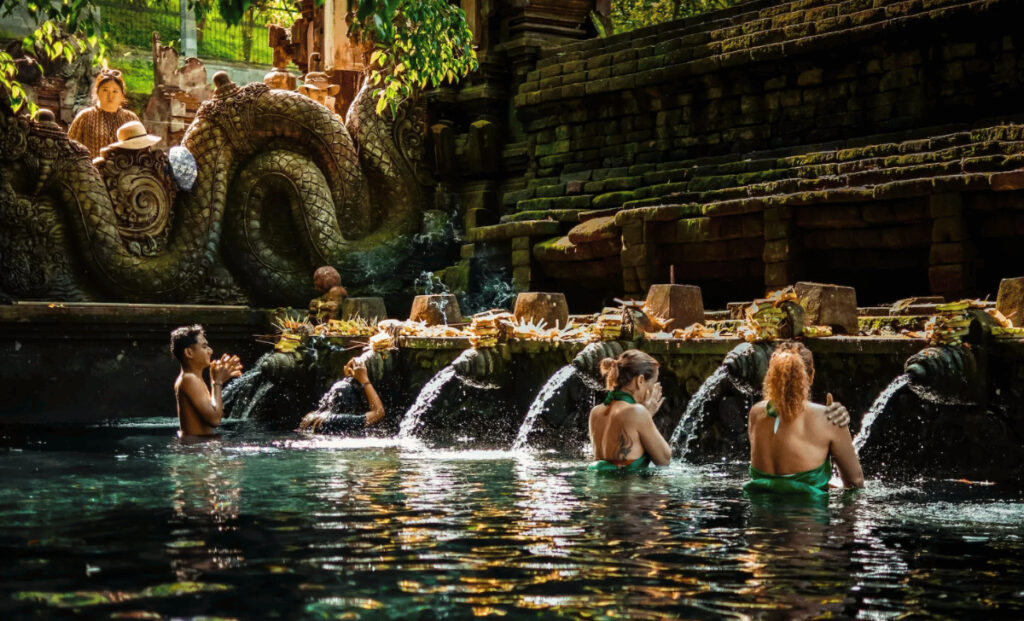
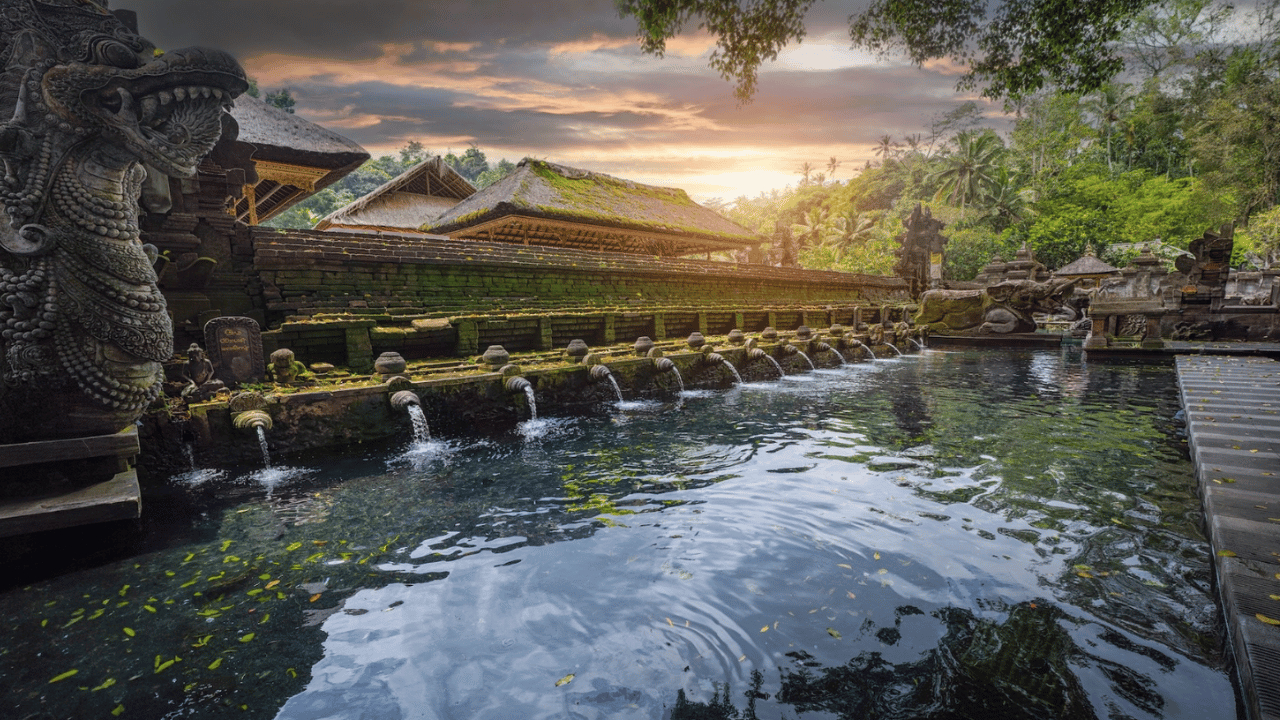
What makes the temple truly unique is its continuous role as a living spiritual site rather than just a historical landmark. The purification pools, fed by natural underground springs, are central to daily rituals where worshippers perform a cleansing ceremony known as melukat. This process involves moving through a series of fountains, each believed to have specific spiritual benefits such as removing negative energy or promoting inner balance. Remarkably, these sacred waters have been in use for over a thousand years, maintaining their importance across generations. This enduring tradition highlights how Pura Tirta Empul remains an active center of devotion, where ancient beliefs continue to shape everyday spiritual life in Bali.
Where is Pura Tirta Empul Located
Pura Tirta Empul is located in the village of Manukaya, in the Tampaksiring district of Gianyar Regency, central Bali. It sits near the Pakerisan River and is surrounded by lush greenery, rice fields, and hills, creating a serene and peaceful environment.
The temple is approximately:
– 45 minutes from Ubud
– 1 hour 20 minutes from Ngurah Rai International Airport
– About 42 km from Denpasar
Its proximity to Ubud makes it a popular day-trip destination for travelers exploring Bali’s cultural heart.
The History of Pura Tirta Empul
The history of Pura Tirta Empul dates back to around 962 AD during the reign of the Warmadewa Dynasty. The temple was established around a natural spring that had long been regarded as sacred, even before the formal construction of the temple complex. This connection between nature and spirituality reflects the core principles of Balinese Hinduism, where natural elements such as water are believed to carry divine energy and life-giving power.
Ancient inscriptions reveal that the site already held great importance during early Balinese civilization. Records from the 10th century mention royal decrees ordering the maintenance of the temple’s water system, highlighting its vital role not only in religious practices but also in supporting the surrounding community. These historical references demonstrate how Pura Tirta Empul was carefully preserved and respected as a significant spiritual and cultural center throughout generations.
The name “Tirta Empul,” which translates to “holy water spring,” perfectly describes the temple’s defining feature—a clear, bubbling source of fresh water that continuously flows into its purification pools. For centuries, this sacred water has been used in religious ceremonies and is believed to cleanse both the body and the soul. Even today, the spring remains a powerful symbol of renewal and purification, reinforcing the temple’s enduring role in Balinese spiritual life.
Mythology Behind the Holy Spring
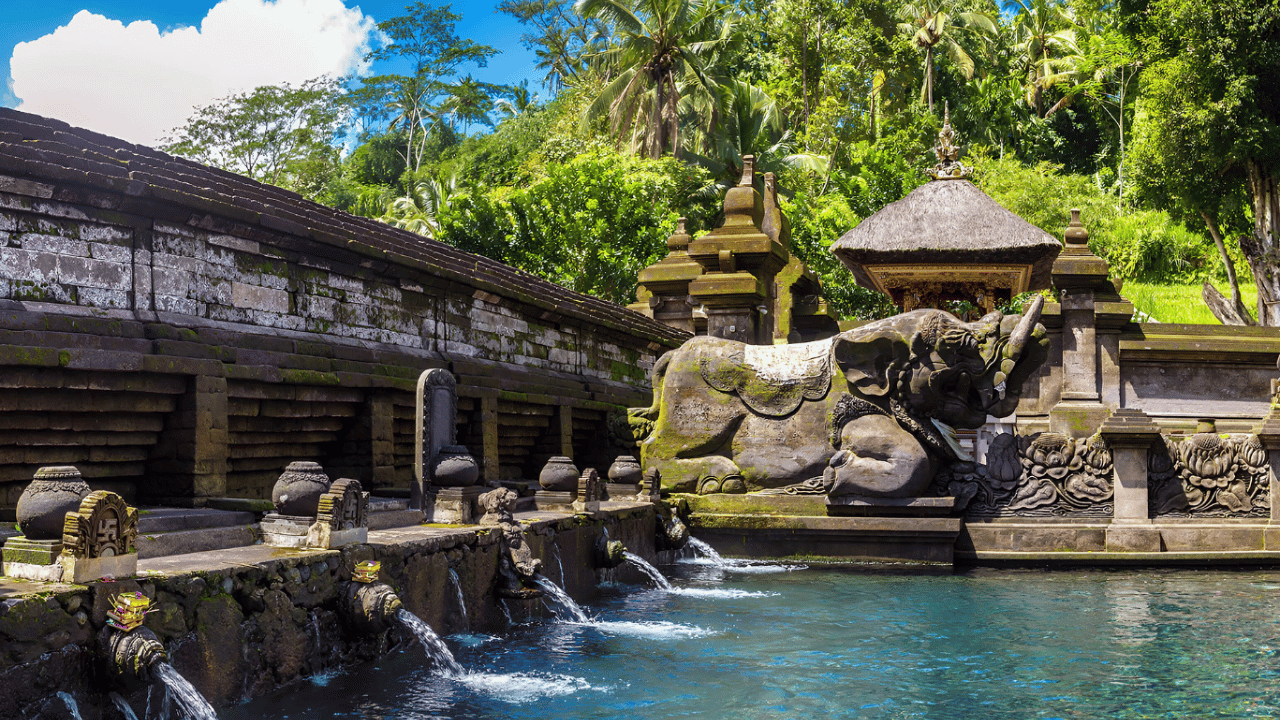
The origins of Pura Tirta Empul are deeply rooted in Balinese mythology, especially the legendary tale of Indra and the evil king Mayadenawa. This story has been passed down through generations and remains an essential part of the temple’s spiritual identity. It reflects the classic theme of good triumphing over evil, while also emphasizing the sacred role of water in Balinese Hindu belief as a source of life and divine energy.
According to the legend, Mayadenawa attempted to defeat Indra’s army by poisoning a vital water source, causing many soldiers to fall ill and perish. In response, Indra struck the with his staff, creating a miraculous spring of holy water. This divine water restored the health and strength of his troops, allowing them to rise again and ultimately defeat Mayadenawa. The emergence of this life-giving spring is believed to mark the very origin of the sacred waters found at Pura Tirta Empul today.
This powerful myth not only explains the temple’s foundation but also reinforces the belief that the spring holds extraordinary healing and purifying properties. For centuries, the water has been used in rituals aimed at cleansing both physical and spiritual impurities, a practice that continues to this day. The story serves as a symbolic reminder that divine forces can restore balance and harmony, making Pura Tirta Empul a place where mythology and spiritual practice are deeply intertwined.
Spiritual Significance and Melukat Ritual
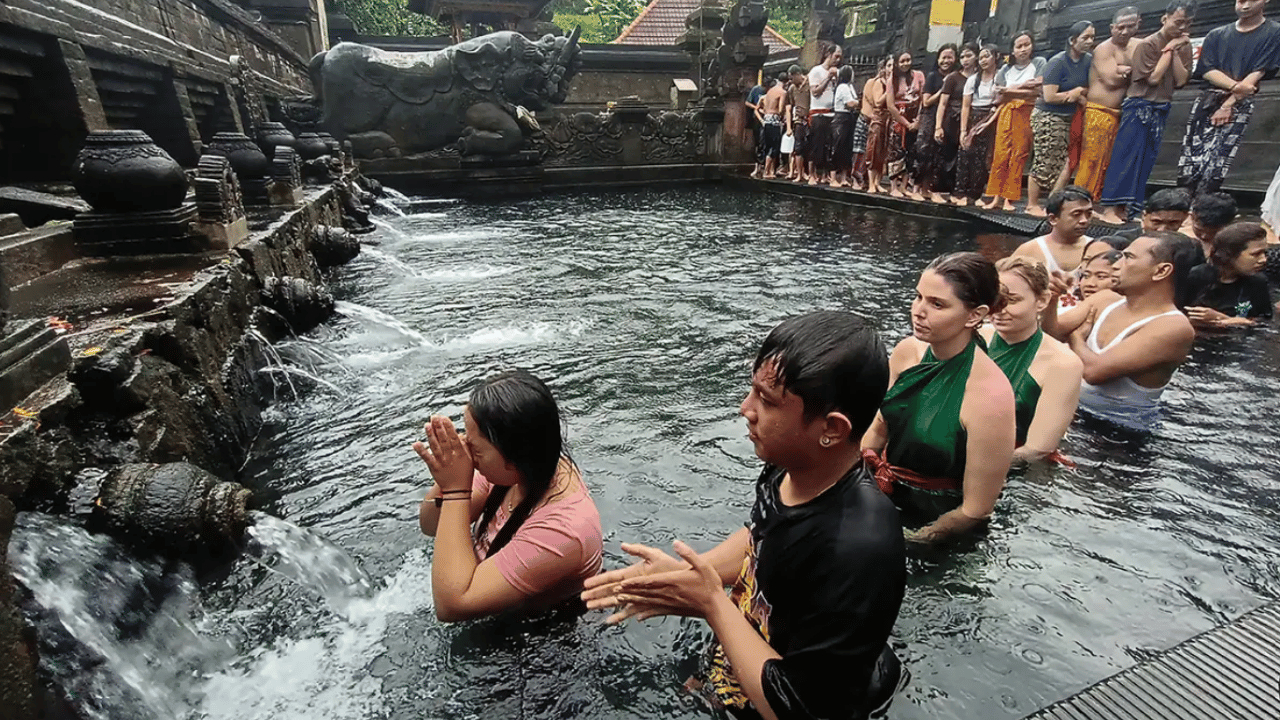
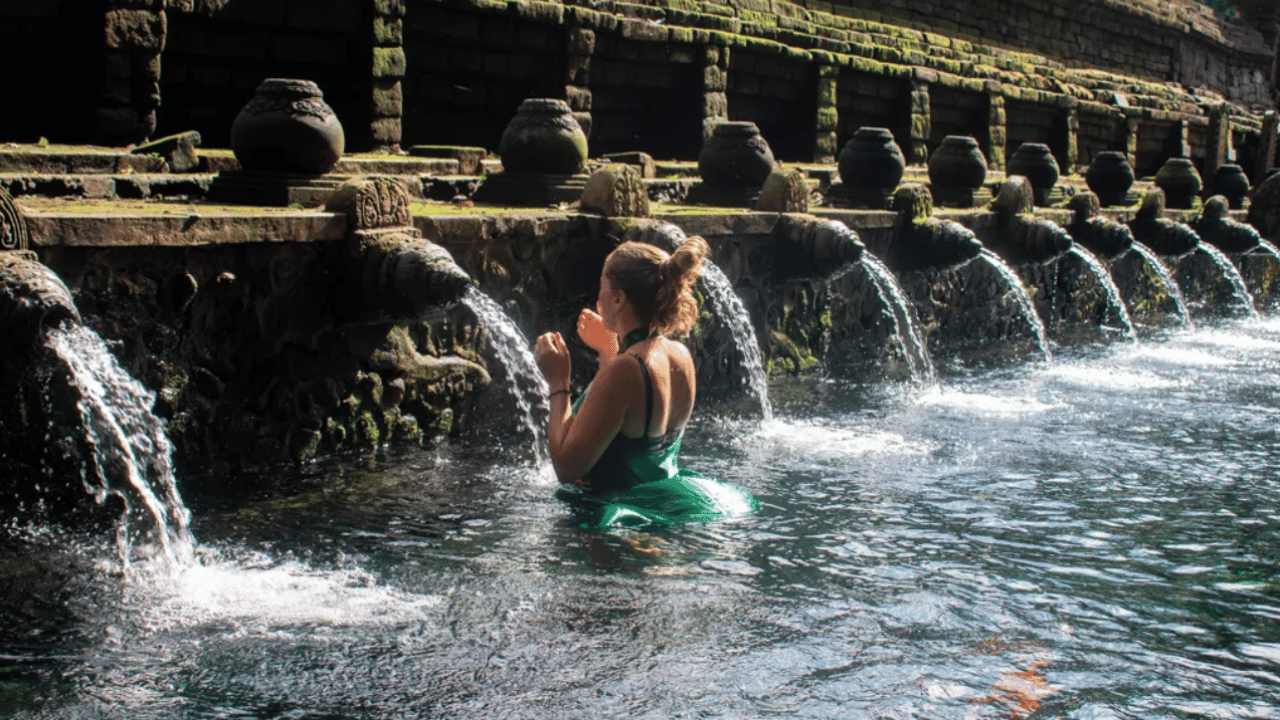
One of the main reasons people visit Pura Tirta Empul is to take part in the melukat ritual, a traditional Balinese purification ceremony that holds deep spiritual meaning. During this experience, participants step into the temple’s sacred pools and move slowly from one water spout to another. At each fountain, they pause to pray and cleanse themselves under the flowing water, which comes directly from the holy spring. This process is not only physical but also symbolic, representing a journey of renewal and spiritual cleansing.
Balinese Hindus believe that melukat helps remove negative energy, emotional burdens, and spiritual impurities, allowing individuals to restore balance within themselves. Despite its strong religious roots, the ritual is open to non-Hindu visitors as well, as long as they respect local customs and follow proper etiquette. This inclusivity allows travelers to experience an authentic and meaningful aspect of Balinese culture while connecting with the sacred atmosphere of Pura Tirta Empul.
Architecture and Temple Layout
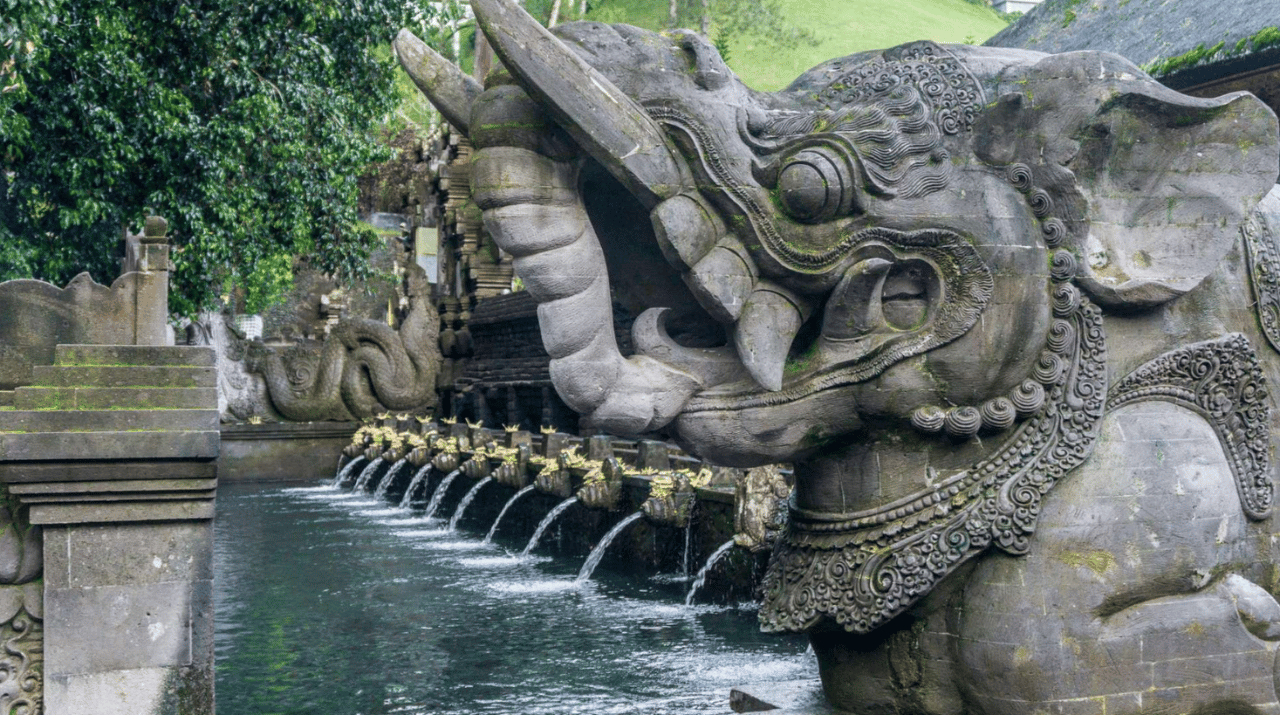
Like most Balinese temples, Pura Tirta Empul is divided into three main sections:
Outer Courtyard (Jaba Sisi)
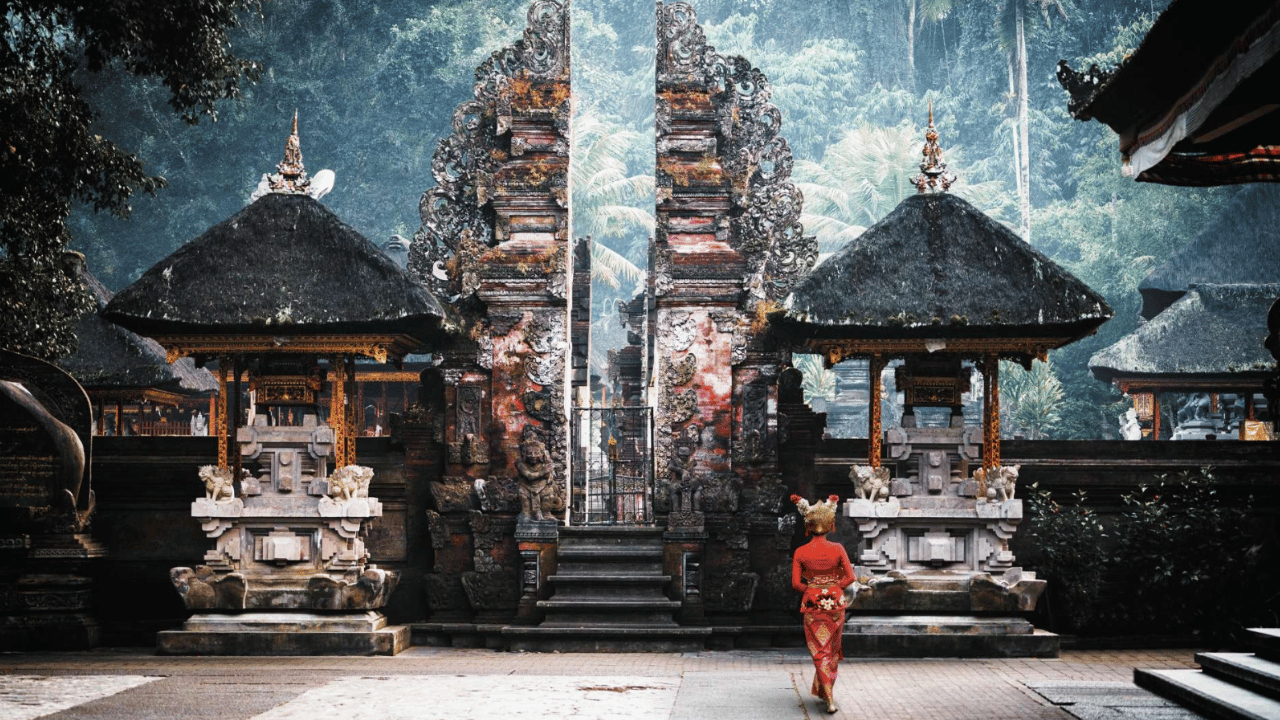
At Pura Tirta Empul, the outer courtyard acts as the main entrance and a transitional space between the outside world and the sacred temple grounds. Visitors are welcomed by traditional Balinese gates and intricate decorative elements that reflect the island’s artistic heritage. This area sets the tone for the spiritual journey ahead, encouraging visitors to adopt a respectful and mindful attitude.
Middle Courtyard (Jaba Tengah)
The middle courtyard is the most well-known section of the temple, as it houses the famous purification pools fed by the sacred spring. These pools feature dozens of stone spouts, each believed to carry specific spiritual significance, such as cleansing negative energy or promoting health and prosperity. It is here that visitors and worshippers perform the melukat ritual, moving from one fountain to another in a structured and meaningful sequence.
Inner Courtyard (Jeroan)
The inner courtyard is the holiest part of the temple, reserved mainly for prayer and important religious ceremonies. This area is typically used by Balinese Hindus for offerings and deeper spiritual practices, making it more restricted compared to other sections. Its quiet and sacred atmosphere reflects its role as the spiritual heart of Pura Tirta Empul.
The architecture reflects classic Balinese Hindu design, with intricate carvings, shrines, and harmonious integration with nature.
What to Expect When Visiting
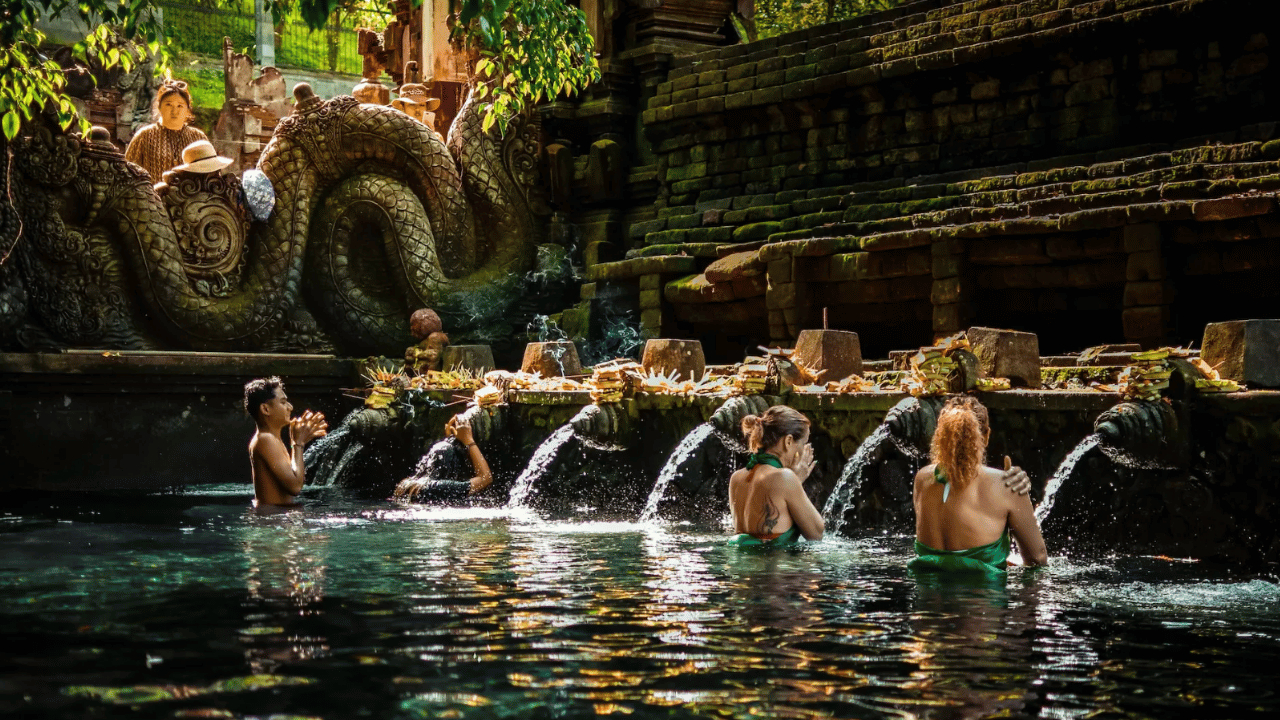
When visiting Pura Tirta Empul, you can expect a mix of spiritual atmosphere and cultural exploration.
Ritual Experience
At Pura Tirta Empul, visitors can witness locals performing purification rituals while dressed in traditional Balinese attire, creating a deeply authentic and spiritual atmosphere. Many travelers choose to participate as well, provided they wear a sarong and sash as a sign of respect. Taking part in the ritual offers a unique opportunity to experience Balinese Hindu traditions firsthand rather than simply observing them.
Scenic Beauty
The temple is surrounded by lush greenery, tropical gardens, and natural water features that enhance its peaceful and sacred ambiance. The sound of flowing water combined with the serene environment makes it an ideal place for quiet reflection. It’s also a popular spot for photography, with its traditional architecture and natural scenery providing stunning visual backdrops.
Cultural Immersion
A visit to the temple goes beyond sightseeing, offering a genuine glimpse into daily spiritual life in Bali. From the colorful offerings placed around the temple to ongoing ceremonies, every detail reflects strong cultural traditions. This immersive experience helps visitors better understand the deep connection between religion, community, and everyday life at Pura Tirta Empul.
Best Time to Visit Pura Tirta Empul
The best time to visit Pura Tirta Empul depends on your preferences:
– Early morning (before 9 AM): Fewer crowds and more peaceful atmosphere
– Weekdays: Less busy than weekends
– Full moon or religious days: Unique cultural experience but more crowded
Arriving early is highly recommended if you want a more authentic and serene experience.
Travel Tips and Etiquette
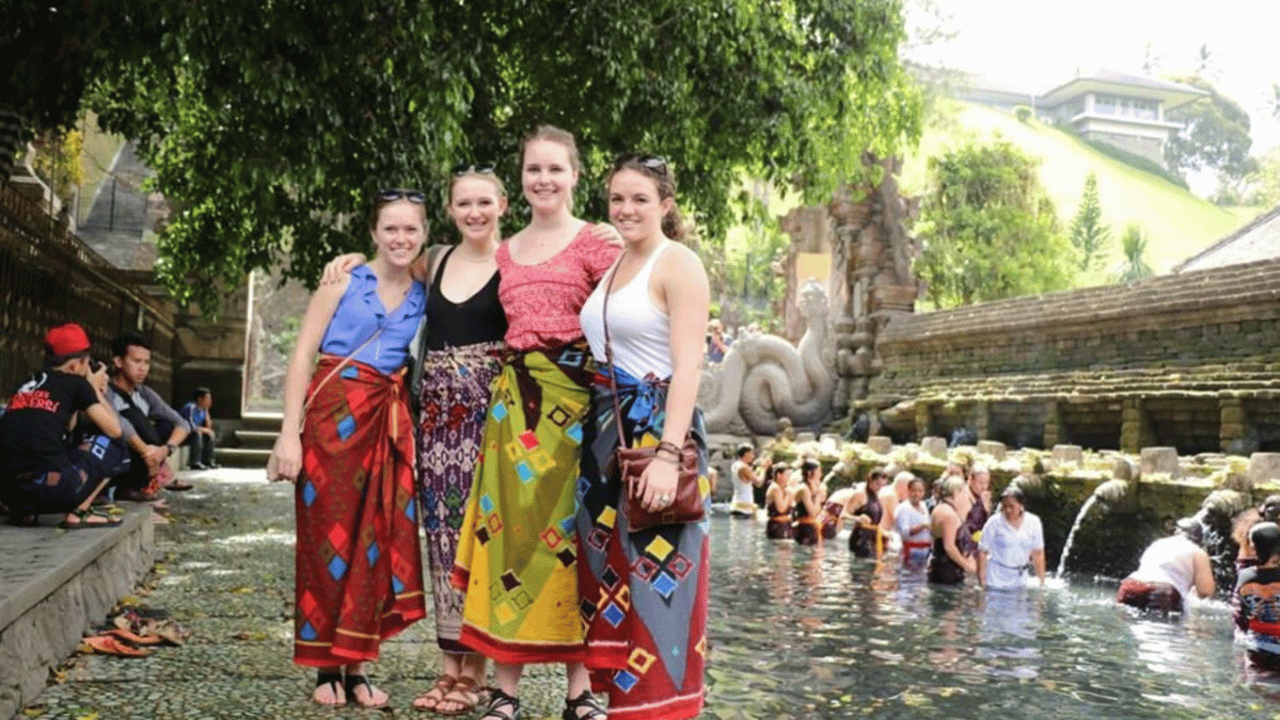
To ensure a respectful and enjoyable visit, keep these tips in mind:
Dress Modestly
When visiting Pura Tirta Empul, it is important to dress appropriately as a sign of respect for the sacred environment. Visitors are required to wear a sarong and sash, which are usually available at the entrance if you don’t bring your own. This traditional attire helps maintain the temple’s cultural and spiritual integrity.
Follow Ritual Guidelines
If you plan to take part in the melukat purification ritual, be sure to follow the proper sequence of water spouts and observe local customs. Each fountain has its own meaning, and there is a respectful order that participants are expected to follow. Observing others or asking for guidance can help ensure you participate correctly and respectfully.
Respect Sacred Areas
Certain sections of the temple are reserved exclusively for worshippers and religious activities. Visitors should pay attention to signs and avoid entering restricted areas to honor these boundaries. Respecting these spaces is essential to preserving the sanctity of Pura Tirta Empul.
Be Mindful of Behavior
Maintaining a calm and respectful attitude is key when exploring the temple grounds. Avoid loud conversations, disruptive behavior, or anything that might disturb those who are praying. Being mindful of your actions helps create a peaceful atmosphere for everyone at Pura Tirta Empul.
Why Pura Tirta Empul is a Must-Visit Destination
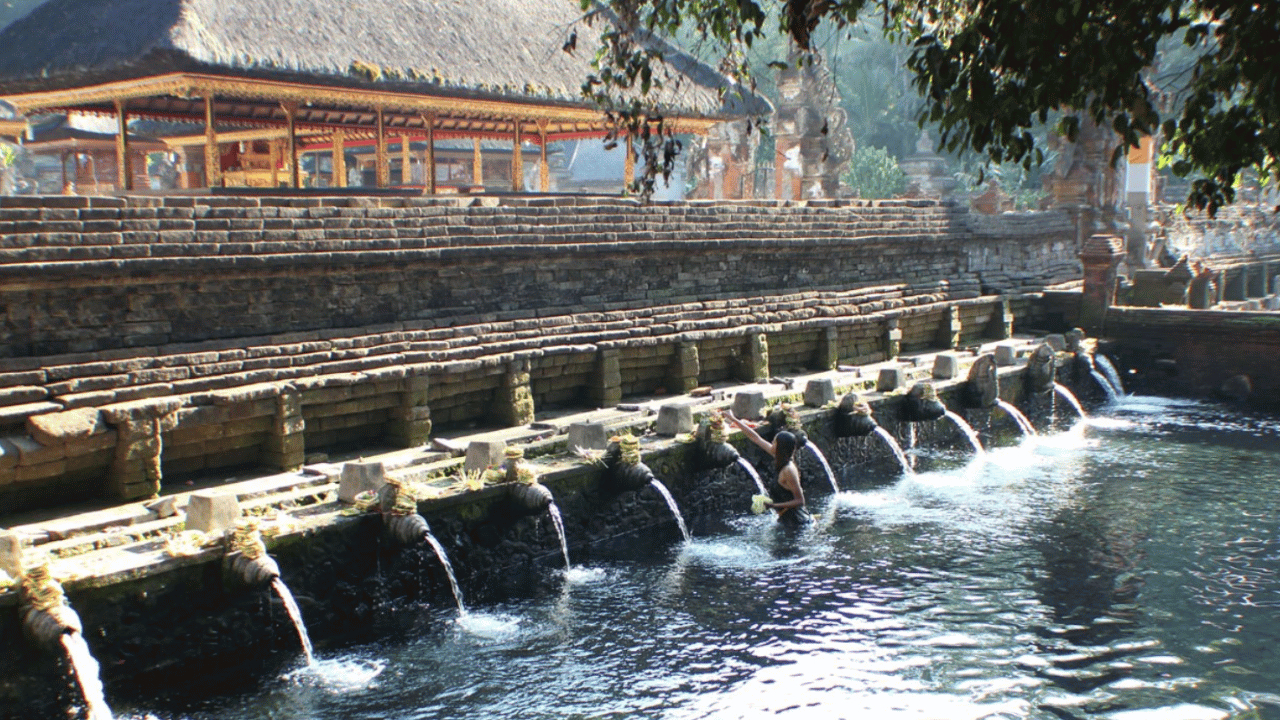
Pura Tirta Empul stands out as one of Bali’s most unique temples because it offers more than just sightseeing—it provides a deeply immersive spiritual experience.
Here’s why it’s worth visiting:
– Rich history dating back over 1,000 years
– Unique purification ritual available to visitors
– Strong connection to Balinese mythology
– Beautiful natural surroundings
– Authentic cultural experience
It is a place where history, spirituality, and nature come together in perfect harmony.
Accommodation Recommendation in Bali
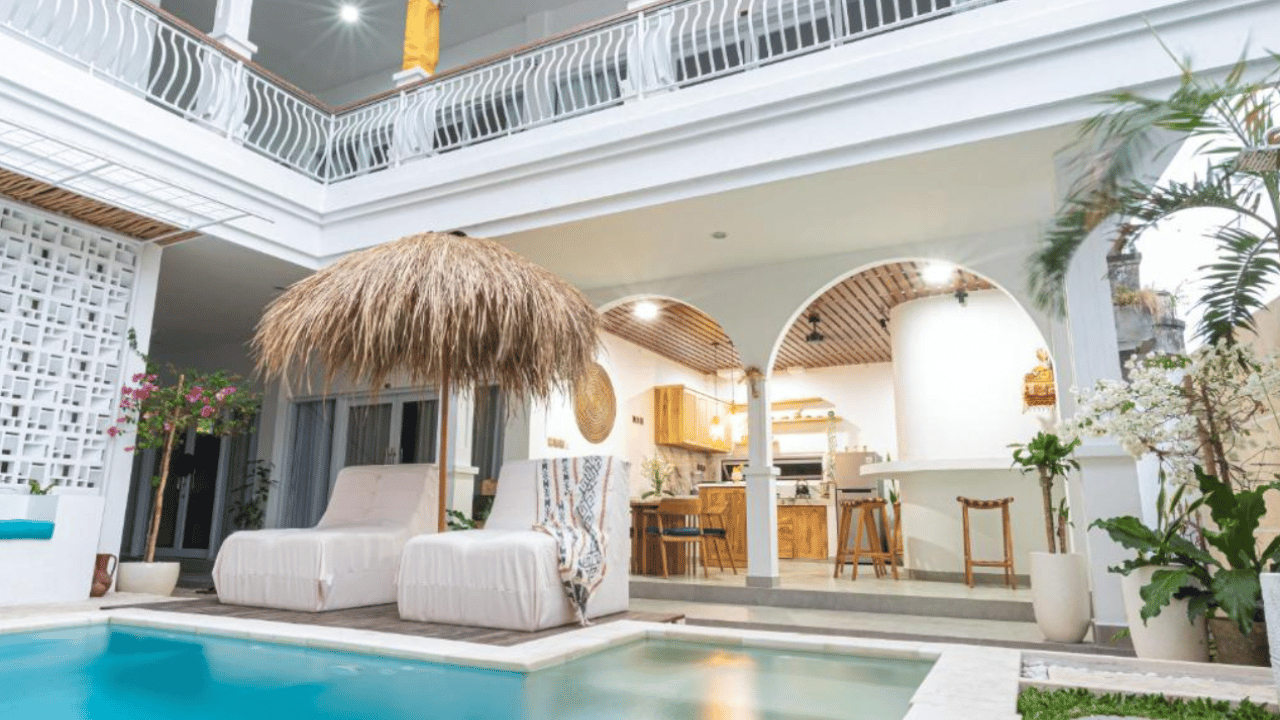
To fully enjoy your visit to Bali and explore cultural destinations like Pura Tirta Empul, choosing the right accommodation is essential.
For a comfortable and memorable stay, consider booking through Villa Buddy. This trusted villa provider offers a wide selection of private villas across Bali, perfect for travelers seeking relaxation, privacy, and premium amenities.
Whether you prefer staying in Ubud for a cultural experience or near the beaches for a more laid-back vibe, Villa Buddy provides curated options to suit different travel styles and budgets.
Staying in a private villa also allows you to:
– Enjoy personalized comfort and space
– Experience authentic Balinese hospitality
– Access convenient locations near major attractions
Pura Tirta Empul is more than just a tourist destination—it is a living cultural and spiritual landmark that has stood the test of time. From its ancient origins and mythological roots to its ongoing role in Balinese religious life, the temple offers a rare opportunity to witness and participate in sacred traditions.
Whether you are seeking spiritual renewal, cultural understanding, or simply a unique travel experience, Pura Tirta Empul should be at the top of your Bali itinerary.
By combining your visit with comfortable accommodation through Villa Buddy, you can create a truly unforgettable Bali journey filled with meaning, beauty, and relaxation.
FAQ

What is Pura Tirta Empul famous for?
Pura Tirta Empul is famous for its sacred holy spring water and purification ritual known as melukat. Visitors come to cleanse their body, mind, and spirit by bathing under the temple’s holy water fountains.
Can tourists participate in the purification ritual at Pura Tirta Empul?
Yes, tourists are welcome to participate in the purification ritual at Pura Tirta Empul. Visitors must wear a sarong and follow the proper ritual sequence and local customs during the process.
Where is Pura Tirta Empul located in Bali?
Pura Tirta Empul is located in Tampaksiring village, Gianyar Regency, about 45 minutes from Ubud, making it a popular cultural day-trip destination.
What is the best time to visit Pura Tirta Empul?
The best time to visit Pura Tirta Empul is early in the morning to avoid crowds and enjoy a peaceful atmosphere. Weekdays are generally less busy compared to weekends.
What should I wear when visiting Pura Tirta Empul?
Visitors are required to wear modest clothing, including a sarong and sash, when entering Pura Tirta Empul. These are usually provided at the entrance.