

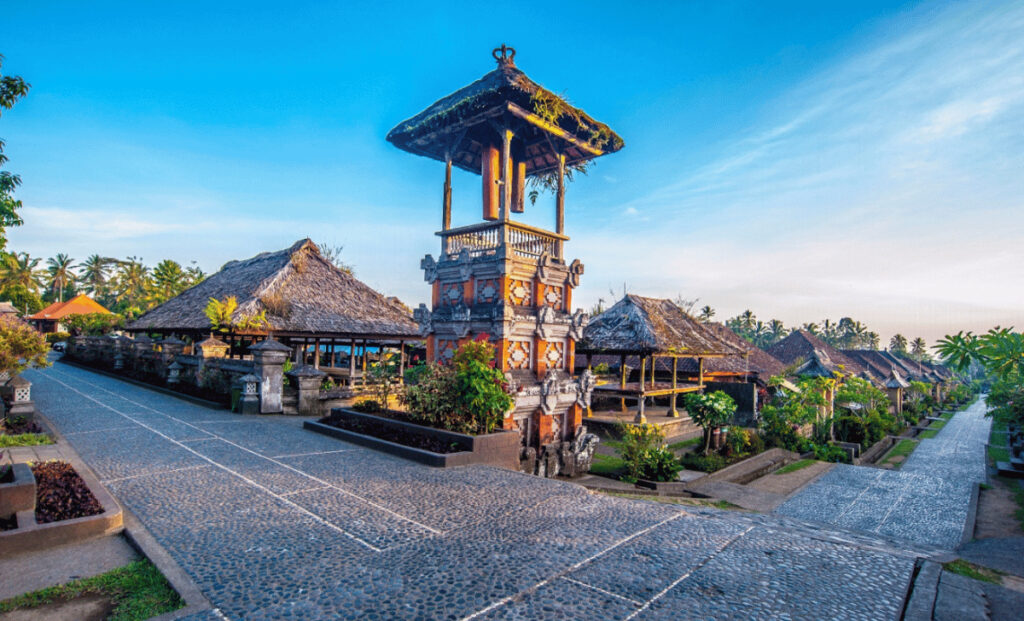

Bali is globally renowned for its stunning beaches, vibrant nightlife, and iconic temples. However, beyond the coastal hotspots lies a quieter, more authentic side of the island—one that preserves centuries-old traditions and offers a deeper cultural experience. One of the best places to discover this side of Bali is Penglipuran Village.
Unlike many tourist attractions that have evolved primarily for visitors, Penglipuran Village remains a living, breathing community. The villagers continue to practice their ancestral customs, maintain traditional architecture, and uphold a lifestyle deeply rooted in Balinese philosophy. Walking through this village feels like stepping back in time, where simplicity, harmony, and cultural identity take center stage.
History and Origins
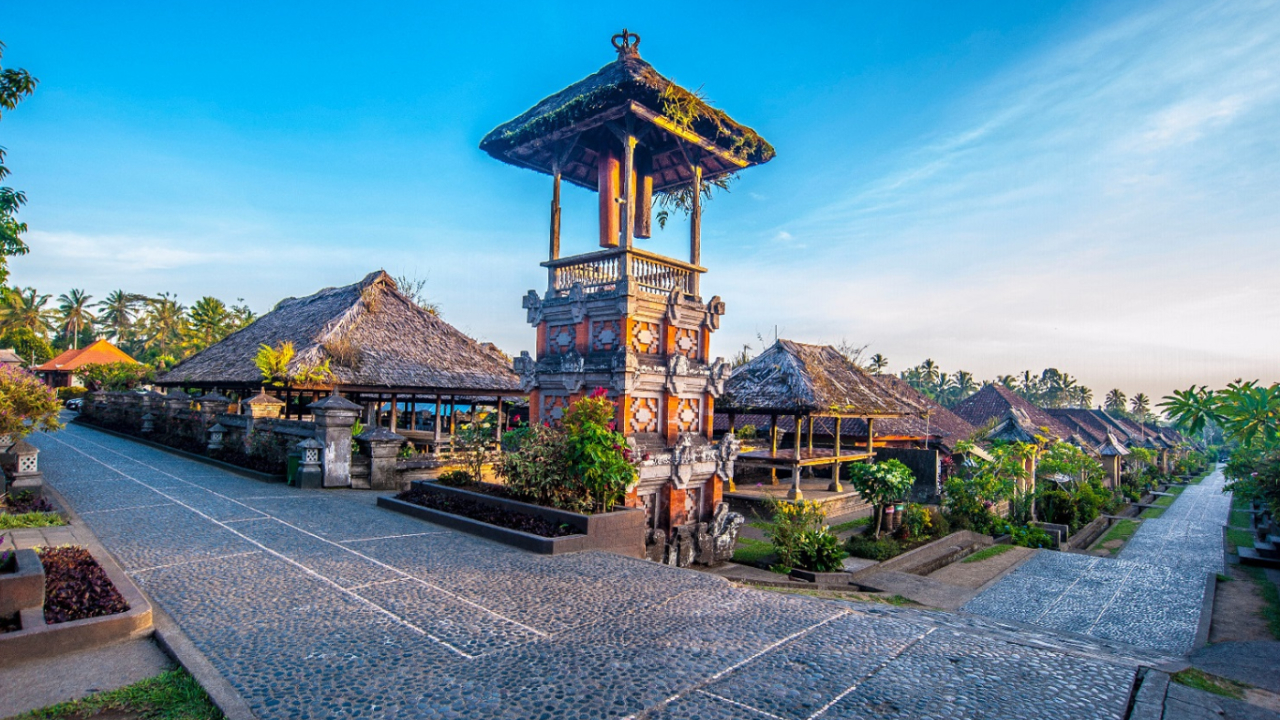
Penglipuran Village has a long and fascinating history dating back over 700 years to the era of the Bangli Kingdom. It is believed that the village was originally established by settlers from Bayung Gede, who brought with them traditions and cultural practices that are still preserved today.
The name “Penglipuran” itself carries deep meaning. It is derived from the words pengeling (to remember) and pura (ancestral land or temple), symbolizing a place that honors heritage and ancestral roots. Another interpretation suggests it comes from pelipur lara, meaning a place of comfort or relief, reflecting its historical role as a retreat for the king.
This strong connection to history is evident in every aspect of the village—from its layout to its daily rituals—making it one of the most authentic cultural destinations in Bali.
Location and How to Get There
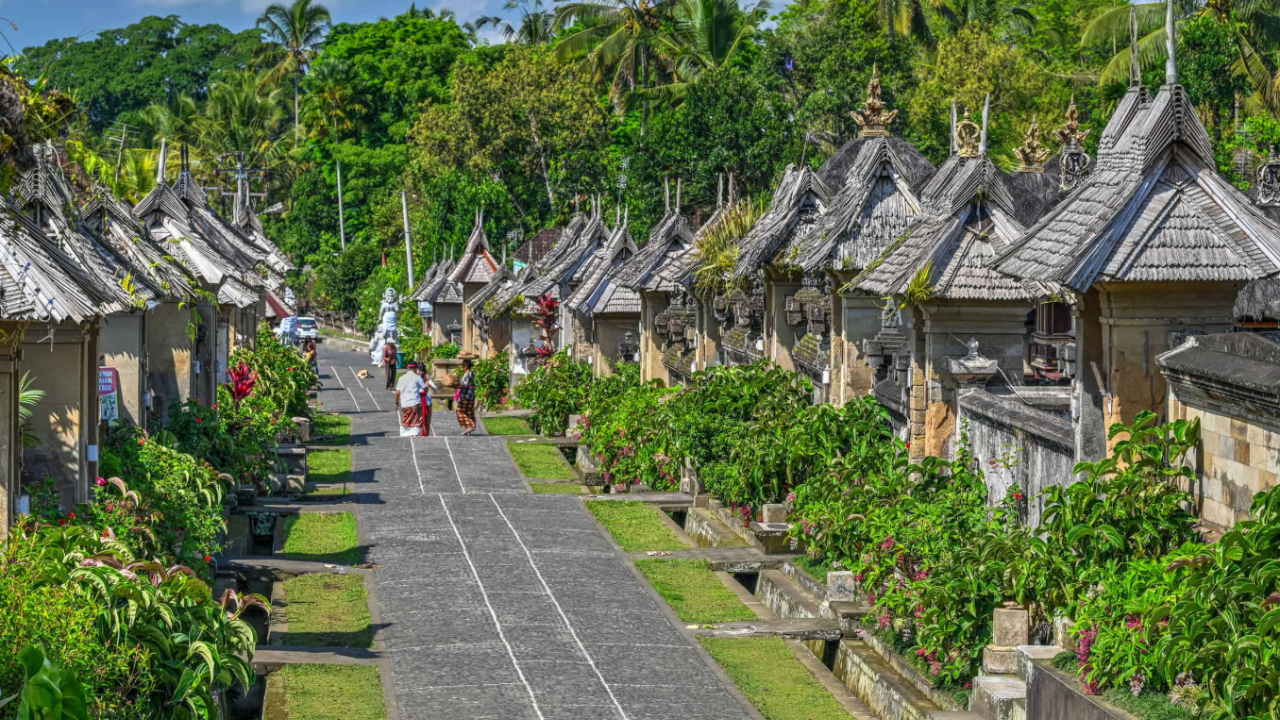
Penglipuran Village is located in Bangli Regency, in the highlands of eastern Bali. It sits at an elevation of around 600–700 meters above sea level, offering a cooler and fresher climate compared to the coastal regions.
Travel Distance Estimates
– From Ubud: 45 minutes
– From Seminyak or Canggu: around 2 hours
– From Denpasar: approximately 1.5–2 hours
The journey to Penglipuran is part of the experience. Visitors will pass through scenic landscapes, rice fields, and mountainous areas, providing a refreshing contrast to Bali’s busy tourist hubs.
Unique Architecture and Village Layout
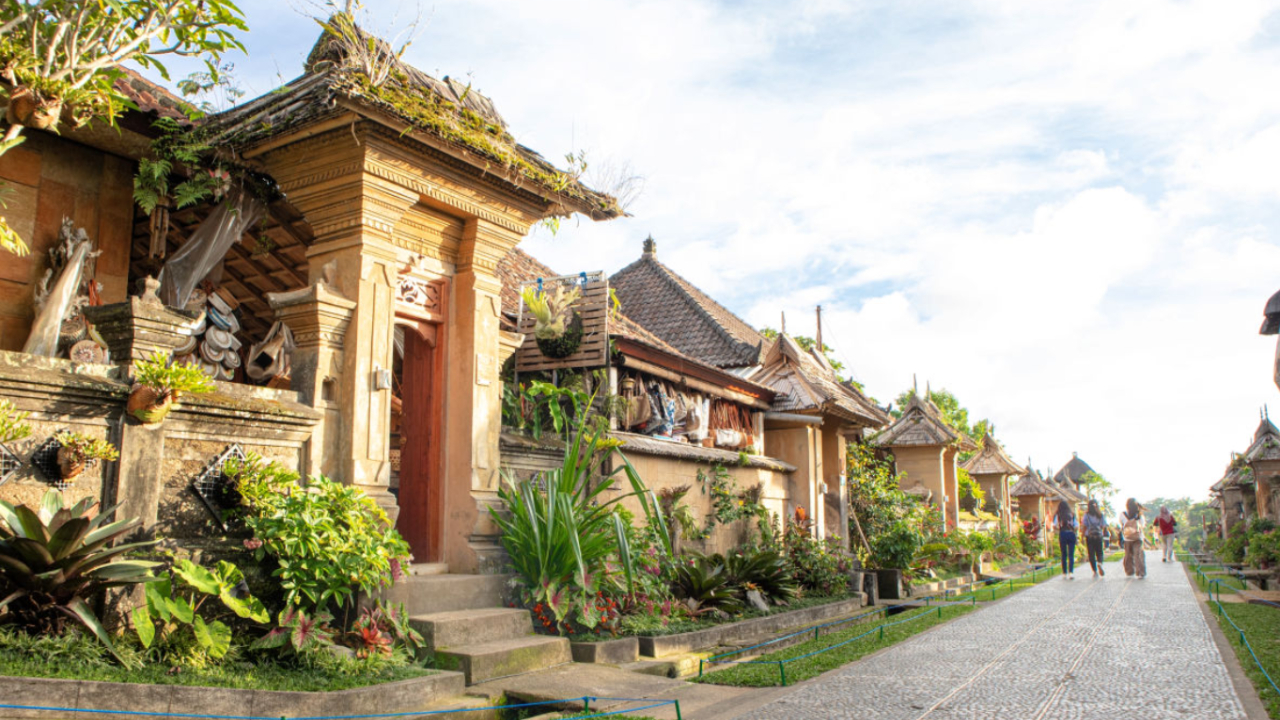
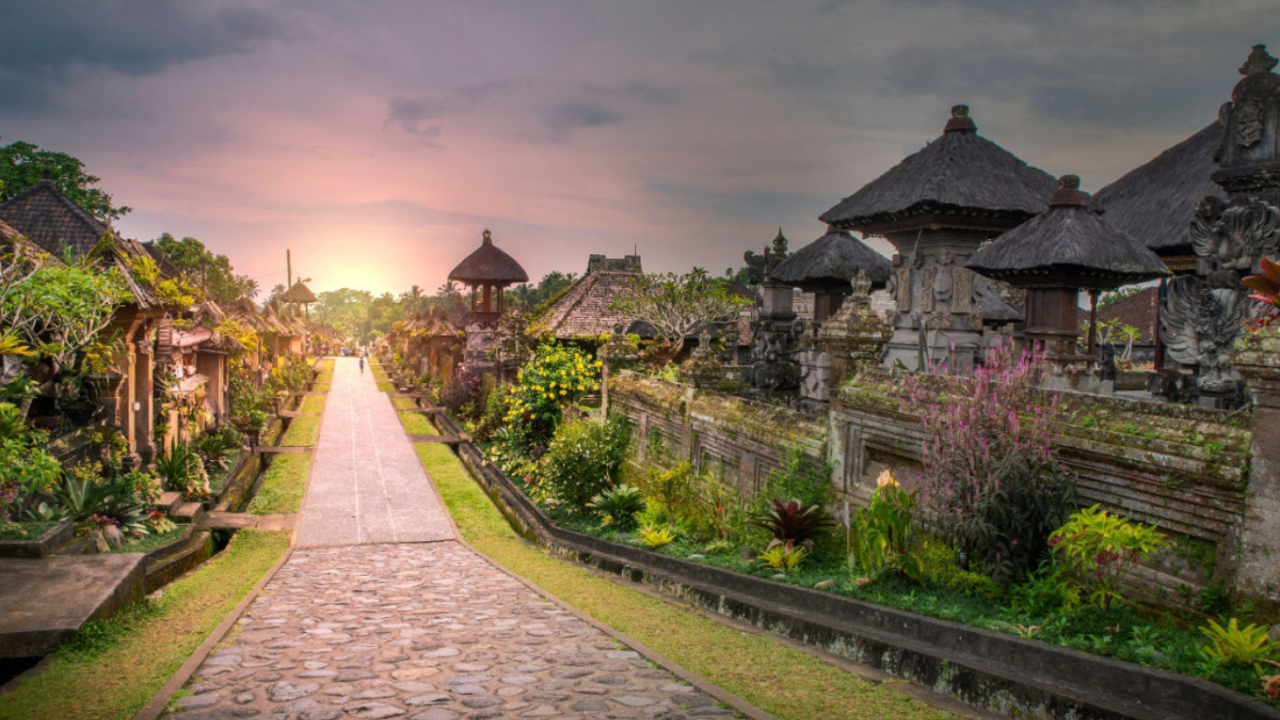
One of the most striking features of Penglipuran Village is its uniform and symmetrical architecture. Every house follows the same traditional design, creating a visually harmonious environment that is both aesthetically pleasing and culturally significant.
Key Architectural Features
– Traditional angkul-angkul gates at every home entrance
– Bamboo and natural materials used in construction
– A straight stone-paved pathway running through the village
– Houses arranged in identical compounds
This layout is not merely for visual appeal—it reflects the Balinese philosophy of order and balance. The village is designed according to the Tri Mandala concept, dividing space into sacred, residential, and outer areas.
Cultural Values and Traditions
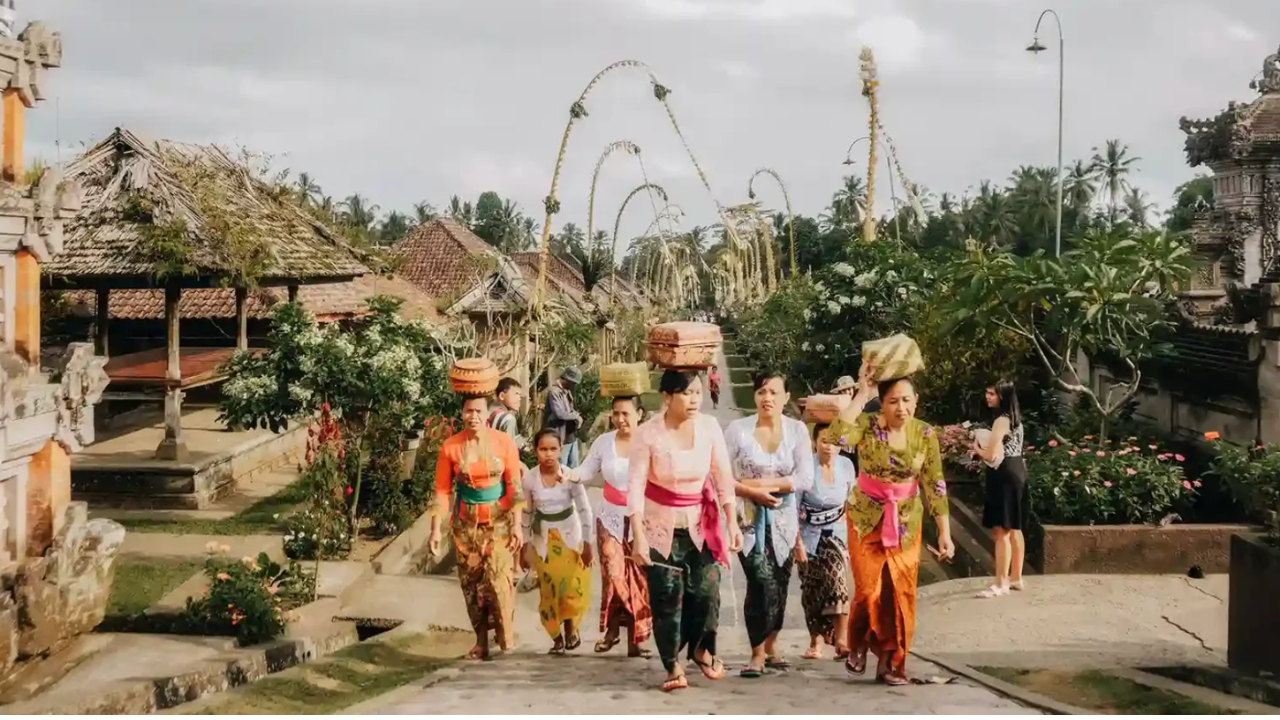
Penglipuran Village is a perfect example of how culture and daily life can coexist harmoniously. The villagers strictly follow traditional rules known as awig-awig, which regulate social behavior, environmental practices, and community relationships.
One of the guiding principles here is Tri Hita Karana, a Balinese philosophy emphasizing harmony between humans, nature, and the divine.
Cultural Highlights
– Daily offerings and religious rituals
– Strong sense of community cooperation (gotong royong)
– Preservation of traditional ceremonies
– Respect for nature and cleanliness
Visitors are not just observers—they are invited to experience and learn from a culture that has been carefully preserved for generations.
4 Attractions and Things to Do
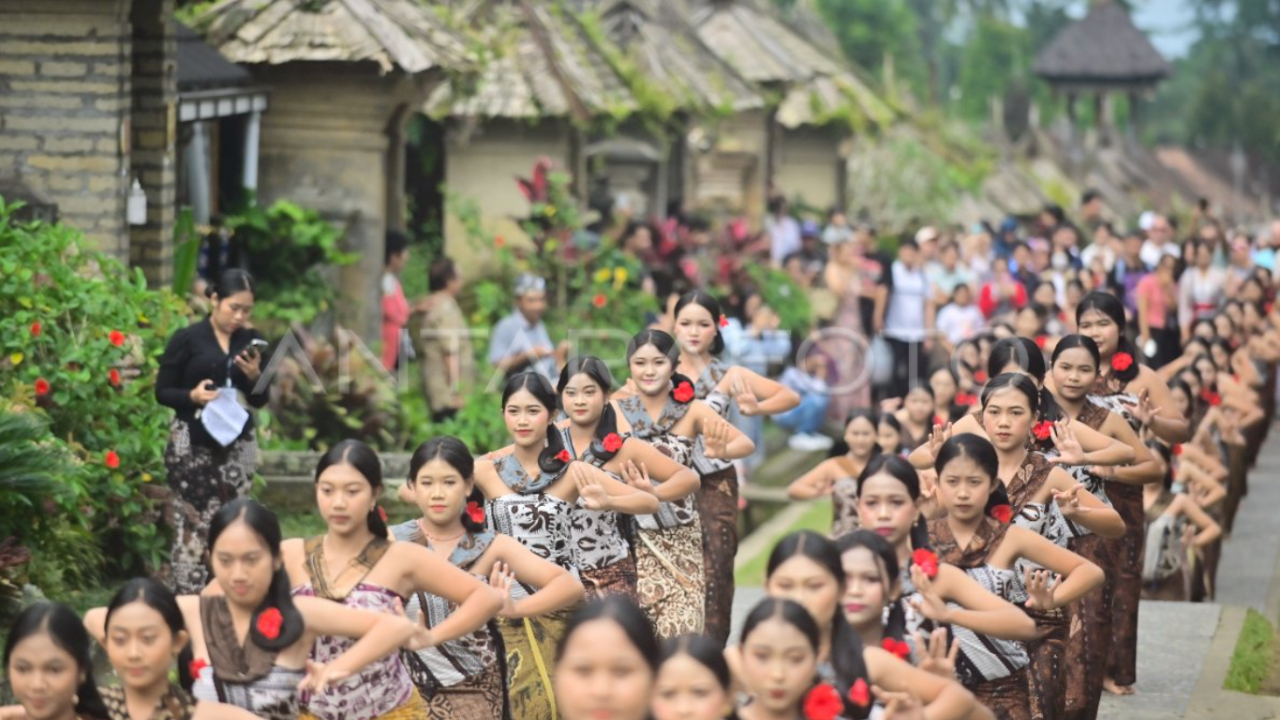
Despite its small size, Penglipuran Village offers a variety of experiences that make it a worthwhile destination.
1. Walk Through the Main Street
The central pathway is the heart of Penglipuran Village, designed with a perfectly straight, stone-paved layout that reflects harmony and balance. As you walk along this path, you’ll notice the uniform entrances of each home, creating a visually striking symmetry that feels both peaceful and organized. The atmosphere is calm and free from vehicle traffic, allowing visitors to fully enjoy the surroundings. Along the way, you may also encounter locals going about their daily routines, offering a glimpse into authentic village life.
2. Visit Traditional Houses
Some residents warmly welcome visitors into their traditional compounds, providing a rare opportunity to experience the structure of a Balinese home. Each house typically includes a family temple, open-air kitchen, and separate pavilions for different functions, all arranged according to cultural and spiritual principles. The design has remained largely unchanged for generations, preserving its original character and meaning. Visiting these homes allows you to better understand how tradition shapes everyday living in the village.
3. Cultural Interaction
Interacting with the locals is one of the most enriching aspects of visiting Penglipuran Village. Villagers are often friendly and open to sharing stories about their customs, ceremonies, and way of life. You may learn about traditional practices such as preparing daily offerings or crafting items from bamboo, which is a key material in the village. These conversations provide deeper insight into the values that sustain their community and preserve their cultural identity.
4. Photography Spots
The village is a dream destination for photography enthusiasts, thanks to its clean, organized layout and consistent architectural style. The iconic angkul-angkul gates lining the main street create a repeating pattern that looks especially stunning in photos. Natural lighting, especially in the early morning or late afternoon, enhances the textures and colors of the surroundings. Beyond the main path, smaller corners of the village and nearby bamboo forest also offer unique and picturesque scenes worth capturing.
Bamboo Forest and Natural Beauty
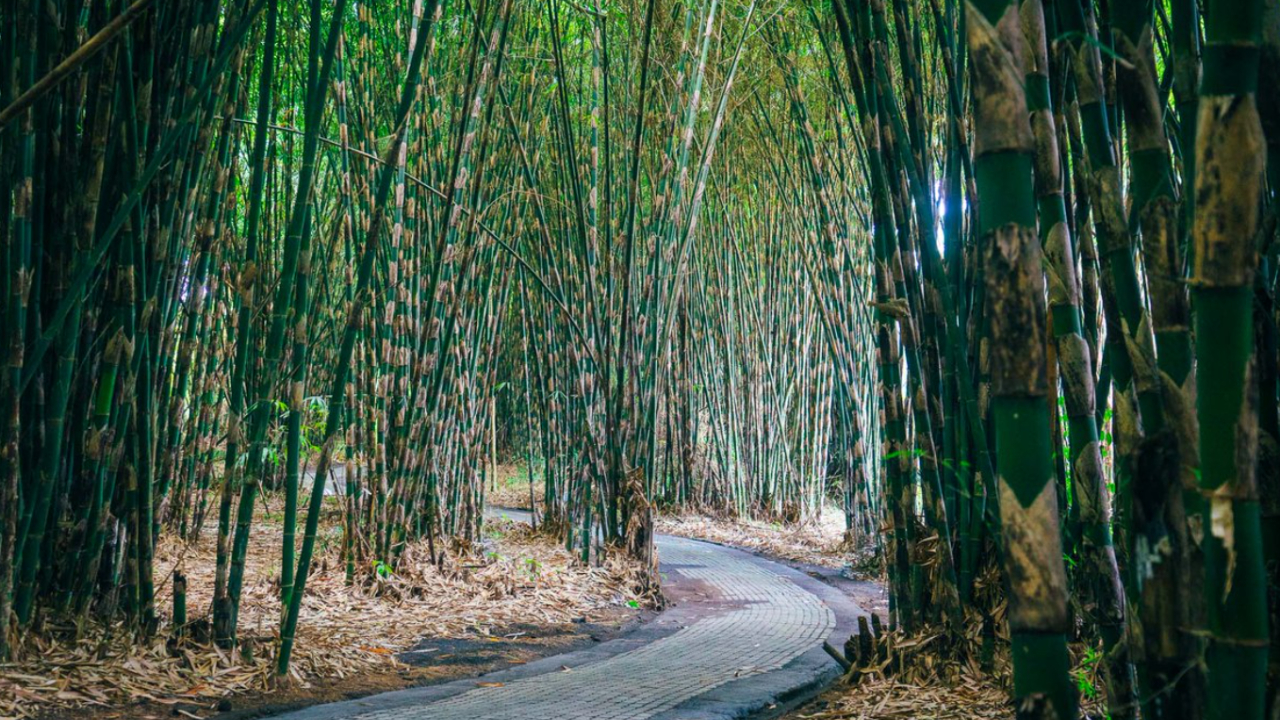
Just behind Penglipuran Village lies a dense and serene bamboo forest that adds a refreshing natural dimension to the cultural experience. This forest spans several hectares and has been carefully preserved by the local community for generations. More than just a scenic backdrop, it represents the village’s deep connection with nature and commitment to sustainability. The towering bamboo creates a natural canopy, filtering sunlight and producing a calming, almost meditative environment for visitors.
What Makes It Special
Peaceful Walking Trails
The bamboo forest features quiet, well-maintained paths that invite visitors to explore at a slow and mindful pace. Unlike crowded tourist spots, these trails offer a sense of solitude, making them ideal for reflection, light trekking, or simply enjoying nature without distractions. The gentle rustling of bamboo leaves adds a soothing soundtrack to your walk.
Cool and Refreshing Atmosphere
Thanks to the dense bamboo coverage, the area remains noticeably cooler than the surrounding village. The natural shade and airflow create a refreshing microclimate, which is especially welcome during Bali’s warmer days. This makes it a perfect spot to relax after exploring the main village area.
Rich Biodiversity
The forest is home to a variety of plant species and small wildlife, contributing to the ecological balance of the region. Bamboo itself plays a crucial role in preventing soil erosion and maintaining water retention. The presence of diverse flora and fauna enhances the overall environmental value of the area.
Sustainable Resource for the Village
For the local community, bamboo is more than just a plant—it is an essential resource. It is used in construction, handicrafts, ceremonial items, and daily tools. The villagers practice sustainable harvesting, ensuring that the forest remains healthy and continues to support future generations.
Overall, the bamboo forest not only enhances the visual beauty of Penglipuran but also reflects the harmonious relationship between the villagers and their environment. For visitors, it offers a peaceful escape where nature and culture come together in perfect balance.
Best Time to Visit
The best time to visit Penglipuran Village is during Bali’s dry season, which typically runs from April to October. During this period, the weather is pleasant, making it ideal for walking and exploring.
Tips for Timing
– Visit early morning for fewer crowds
– Avoid major religious holidays if you prefer quiet visits
– Consider weekdays for a more relaxed experience
Travel Tips for Visitors
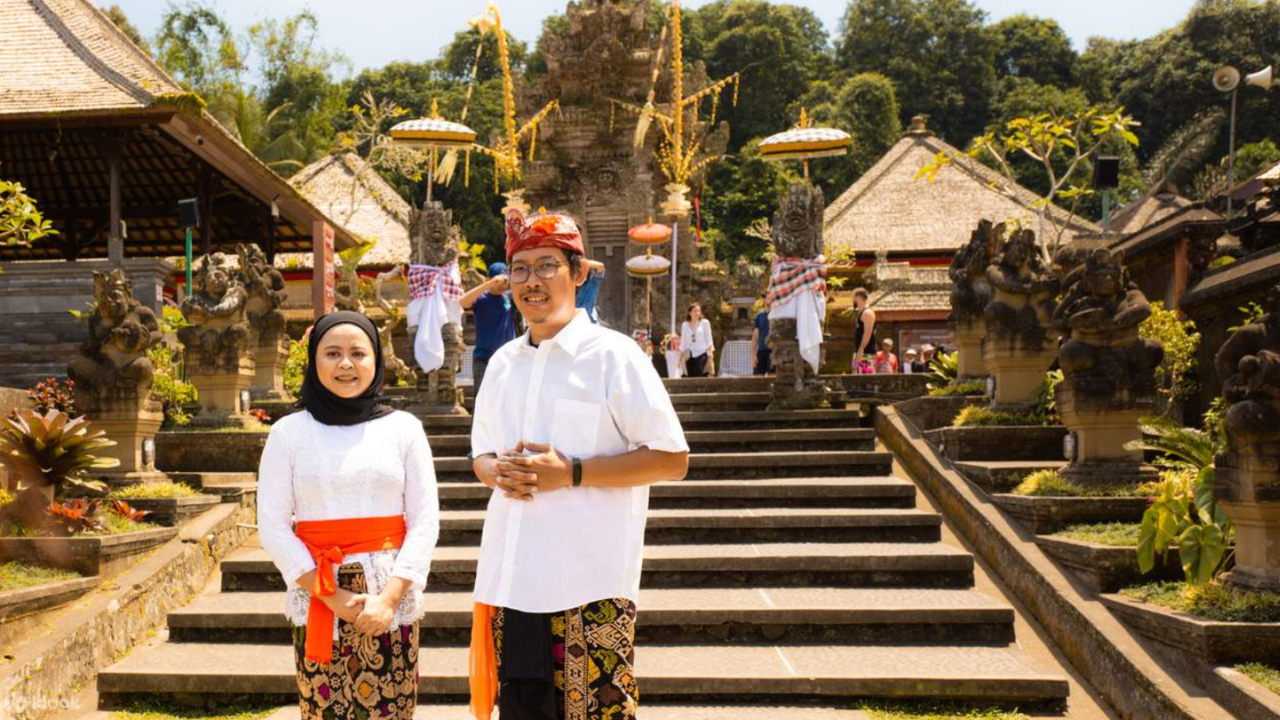
To make the most of your visit to Penglipuran Village, it’s important to be mindful of local customs and practical considerations. As a traditional village that strongly preserves its culture and environment, visitors are expected to show respect and follow simple guidelines. These small efforts will not only enhance your experience but also help maintain the village’s authenticity and cleanliness.
Essential Tips
Dress Modestly Out of Respect for Local Culture
Penglipuran is a traditional Balinese village where cultural and spiritual values are still actively practiced. Wearing modest clothing—such as covering shoulders and knees—is a sign of respect, especially when entering temple areas or family compounds. This helps maintain harmony between visitors and the local community.
Follow Village Rules and Guidelines
The village operates under customary laws known as awig-awig, which regulate behavior and preserve order. Visitors are encouraged to follow posted guidelines, stay within designated areas, and respect restricted spaces such as sacred temples. Being aware of these rules ensures a smooth and respectful visit.
Avoid Littering—Cleanliness Is Highly Valued
Penglipuran is widely recognized as one of the cleanest villages in the world, and this reputation is taken very seriously by its residents. Trash bins are provided throughout the area, and visitors are expected to dispose of waste properly. Maintaining cleanliness is part of the village’s cultural identity.
Bring Cash for Entrance Fees and Small Purchases
While some places in Bali accept digital payments, smaller vendors in Penglipuran may only accept cash. Entrance fees, local snacks, handicrafts, and souvenirs are typically paid in cash, so it’s best to come prepared with small denominations.
Consider Hiring a Local Guide for Deeper Insights
Hiring a local guide can significantly enrich your visit by providing context and stories behind what you see. Guides can explain the meaning of traditional architecture, ceremonies, and daily practices that might otherwise go unnoticed. This deeper understanding makes your experience more meaningful and memorable.
Why Penglipuran Village Should Be on Your Bali Itinerary
In a destination as diverse as Bali, Penglipuran Village stands out for its authenticity and cultural richness. It offers a rare opportunity to experience traditional Balinese life in its purest form—something that is increasingly difficult to find in heavily commercialized tourist areas.
Whether you are a cultural enthusiast, a photographer, or simply someone looking for a peaceful escape, Penglipuran provides a unique and meaningful travel experience. It reminds visitors that Bali is not just about beaches and nightlife, but also about heritage, community, and harmony.
Accommodation Recommendation with Villa Buddy
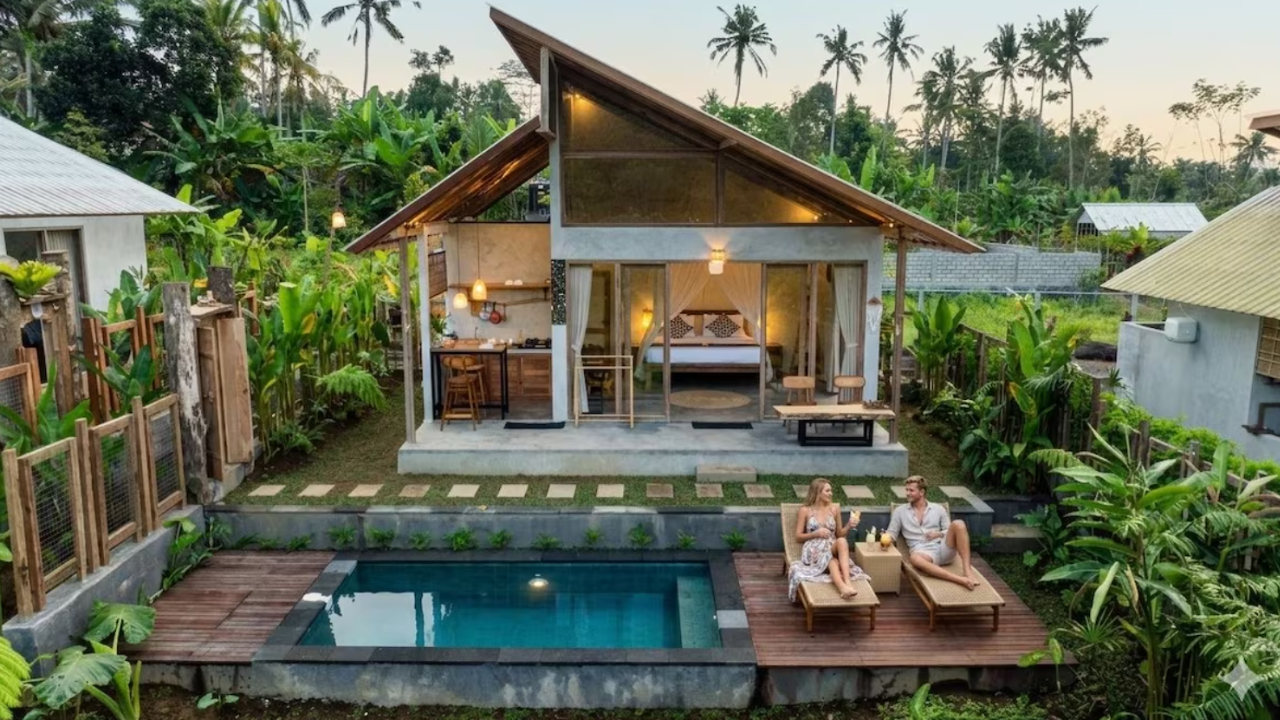
After exploring the serene beauty of Penglipuran Village, choosing the right accommodation is essential to complete your Bali experience. For travelers seeking comfort, privacy, and high-quality service, Villa Buddy is a highly recommended option.
Villa Buddy offers a curated selection of luxury villas across Bali, catering to different travel styles—from romantic getaways to family vacations. Their properties are carefully selected to ensure quality, comfort, and excellent locations, whether you prefer staying near Ubud’s cultural heart or Bali’s famous beach areas.
Why Choose Villa Buddy
– Trusted and reputable villa provider
– Wide range of premium villa options
– Personalized service and support
– Ideal for both short and long stays
Staying in a private villa allows you to enjoy Bali at your own pace, offering a relaxing retreat after a day of cultural exploration.
Penglipuran Village is more than just a tourist destination—it is a symbol of Bali’s enduring cultural identity. With its well-preserved traditions, stunning architecture, and commitment to sustainability, it offers a truly authentic experience that sets it apart from other attractions on the island.
From its historical roots to its global recognition, Penglipuran continues to inspire visitors from around the world. If you are planning a trip to Bali, make sure this remarkable village is on your itinerary—and complete your journey with a comfortable stay through Villa Buddy for an unforgettable experience.
FAQ

What is Penglipuran Village known for?
Penglipuran Village is best known for its well-preserved traditional Balinese culture, uniform village layout, and exceptional cleanliness. It is often recognized as one of the cleanest villages in the world and a model for sustainable tourism.
Where is Penglipuran Village located?
Penglipuran Village is located in Bangli Regency, in the highlands of eastern Bali, Indonesia. It is about 45 minutes from Ubud and offers a cooler climate compared to coastal areas.
Is there an entrance fee to visit Penglipuran Village?
Yes, visitors are required to pay a small entrance fee, which is used to support village maintenance and cultural preservation. Prices may vary for domestic and international tourists.
What is the best time to visit Penglipuran Village?
The best time to visit is during the dry season (April to October), especially in the morning when the weather is cooler and the village is less crowded.
Can tourists enter the traditional houses in Penglipuran Village?
Yes, some residents open their homes to visitors, allowing them to see traditional Balinese house layouts and daily life. However, visitors should always ask for permission and be respectful.