


Tanah Lot Temple is situated in Beraban Village, within the Tabanan Regency on the southwestern coast of Bali—a region known for its dramatic shorelines and rich cultural landscape. Its location makes it easily accessible for travelers staying in major tourist hubs like Seminyak, Canggu, and Kuta. From Denpasar city center, the temple lies approximately 20 kilometers to the northwest, typically requiring a 30–40 minute drive, though travel time may vary during peak tourism hours. The journey itself is scenic, taking visitors through stretches of rural villages, rice fields, and coastal roads that highlight Bali’s natural charm.
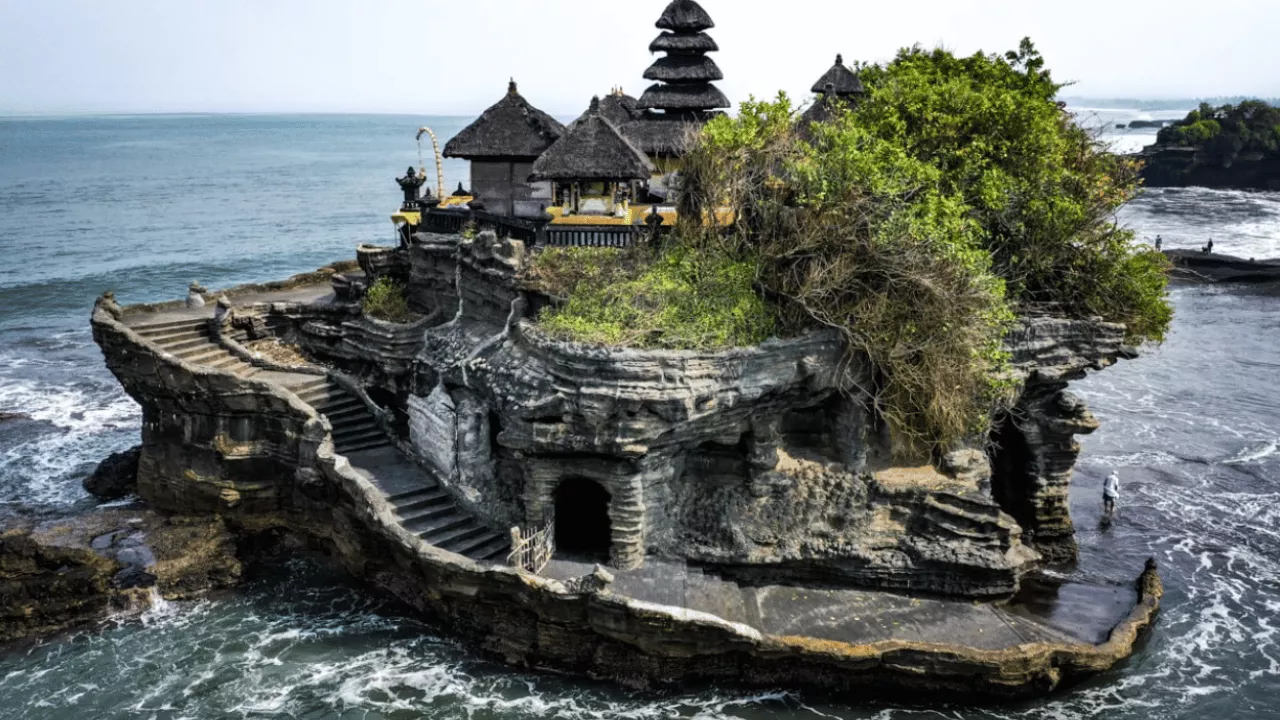
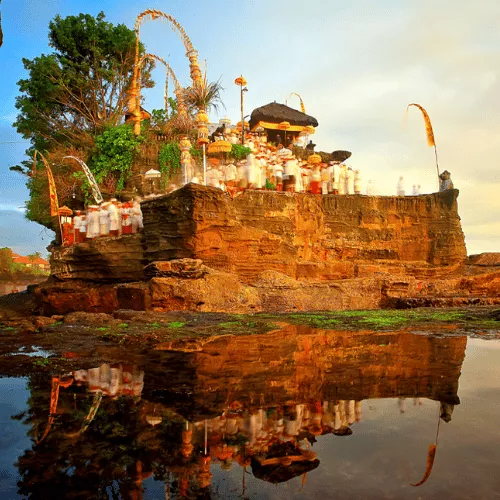
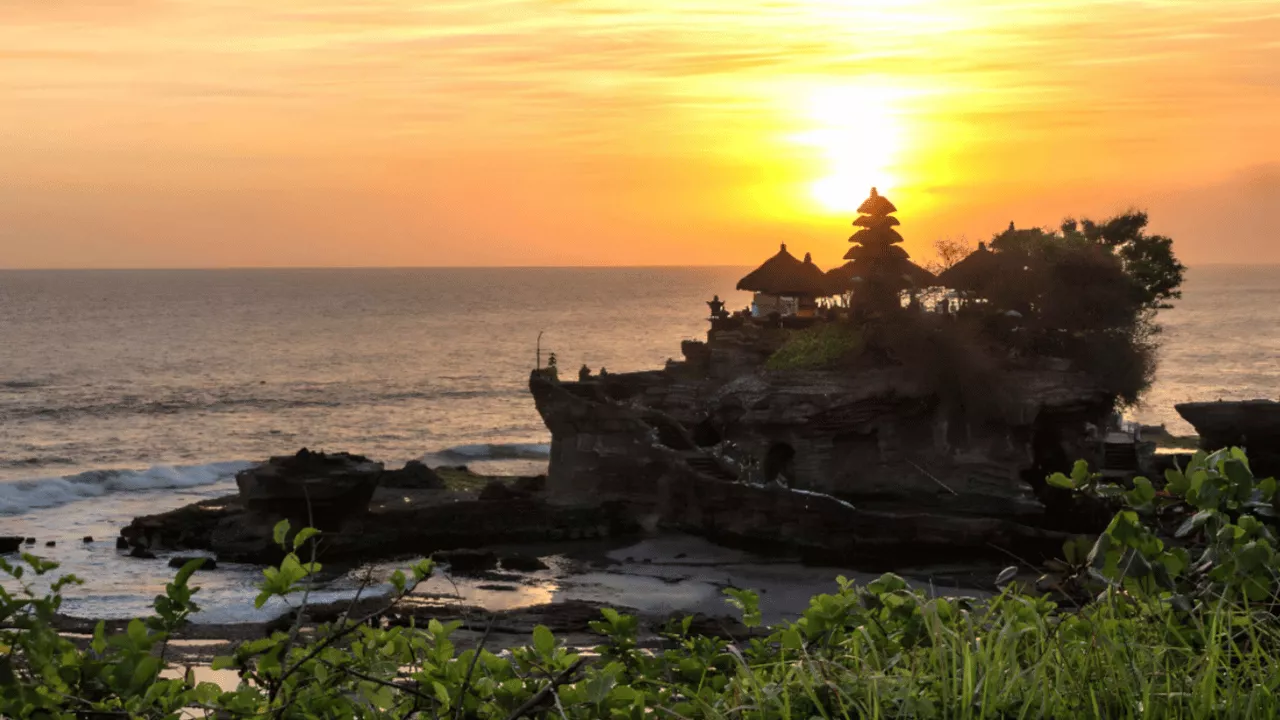
What makes Tanah Lot particularly captivating is its unique offshore setting. The temple is built atop a massive rock formation shaped by centuries of ocean tides. During high tide, the rock becomes completely surrounded by water, giving the temple a floating, mystical appearance. At low tide, visitors can walk across the exposed rocky path to the base of the formation, explore the nearby holy cave, and admire the temple’s architecture from a closer perspective. This dynamic interaction between land and sea not only enhances the visual appeal of Tanah Lot but also reinforces its spiritual symbolism as one of Bali’s most significant sea temples.
Tanah Lot Location
Tanah Lot Temple is situated in Beraban Village, within the Tabanan Regency on the southwestern coast of Bali—a region known for its dramatic shorelines and rich cultural landscape. Its location makes it easily accessible for travelers staying in major tourist hubs like Seminyak, Canggu, and Kuta. From Denpasar city center, the temple lies approximately 20 kilometers to the northwest, typically requiring a 30–40 minute drive, though travel time may vary during peak tourism hours. The journey itself is scenic, taking visitors through stretches of rural villages, rice fields, and coastal roads that highlight Bali’s natural charm.
What makes Tanah Lot particularly captivating is its unique offshore setting. The temple is built atop a massive rock formation shaped by centuries of ocean tides. During high tide, the rock becomes completely surrounded by water, giving the temple a floating, mystical appearance. At low tide, visitors can walk across the exposed rocky path to the base of the formation, explore the nearby holy cave, and admire the temple’s architecture from a closer perspective. This dynamic interaction between land and sea not only enhances the visual appeal of Tanah Lot but also reinforces its spiritual symbolism as one of Bali’s most significant sea temples.
History of Tanah Lot Temple
Tanah Lot traces its spiritual origins back to the 16th century, when a revered Hindu priest from Java, Dang Hyang Nirartha—known in Bali as Pedanda Sakti Wawu Rauh—arrived on the island as part of his religious journey. During this period, Nirartha traveled extensively across Bali, spreading sacred teachings and guiding local communities in matters of spirituality. His presence and influence played a significant role in shaping the development of Balinese Hinduism, and many temples on the island are attributed to his visitation or instruction. Tanah Lot stands among the most famous of these spiritual landmarks.
According to legend, Nirartha came upon the striking rocky outcrop during his coastal travels and sensed a powerful spiritual energy radiating from the place. Captivated by the dramatic waves crashing against the stone and the serene atmosphere of the location, he believed the site held divine significance. Inspired, he instructed local fishermen to build a sea temple upon the rock, dedicating it to the guardian deities of the ocean and establishing it as a sacred point of worship. This decision marked the beginning of Tanah Lot Temple’s deep connection to both the natural world and Balinese spiritual traditions.
Over the centuries, Tanah Lot has evolved into one of Bali’s most significant sea temples and an enduring symbol of the island’s cultural identity. Balinese Hindus continue to visit the site for ceremonies, offerings, and prayer, honoring the temple’s role as a protector of the island. Beyond its religious importance, Tanah Lot has become a cultural icon recognized worldwide. Its dramatic location, steeped mythology, and ongoing spiritual relevance highlight Bali’s unique blend of nature and devotion, making Tanah Lot a place where heritage, belief, and landscape meet in harmony.
Tanah Lot Operation Hours
According to the official visitor information, Tanah Lot is open daily from 07:00 to 17:00.
On some accounts, opening hours are listed as 07:00 to 19:00, possibly depending on season or adjusted visitor policies — many visitor guides mention 7 AM to 7 PM for tourist access.
Best Time to visit Tanah Lot Temple
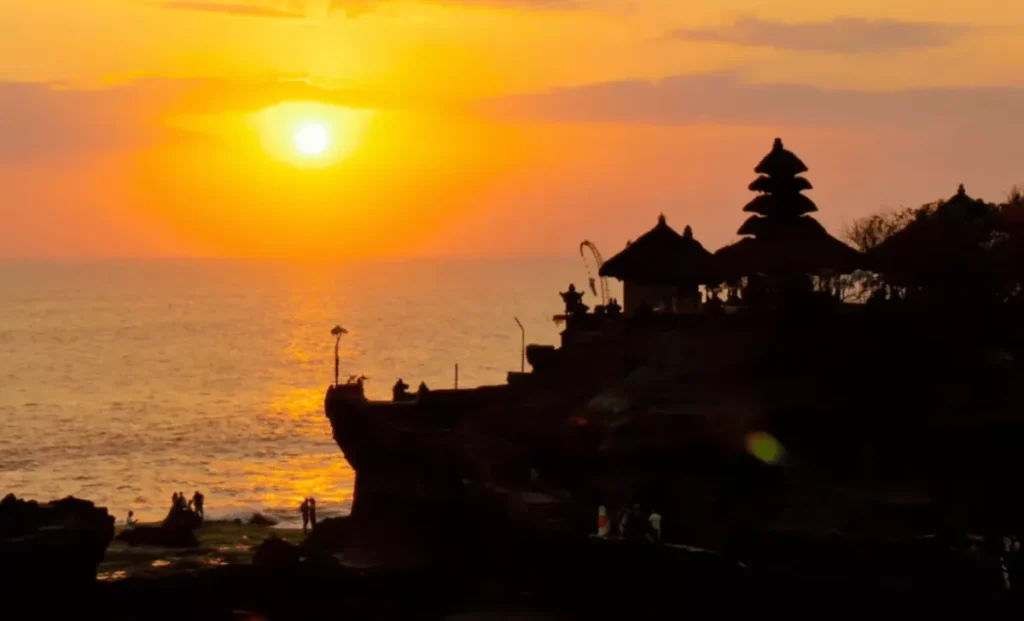
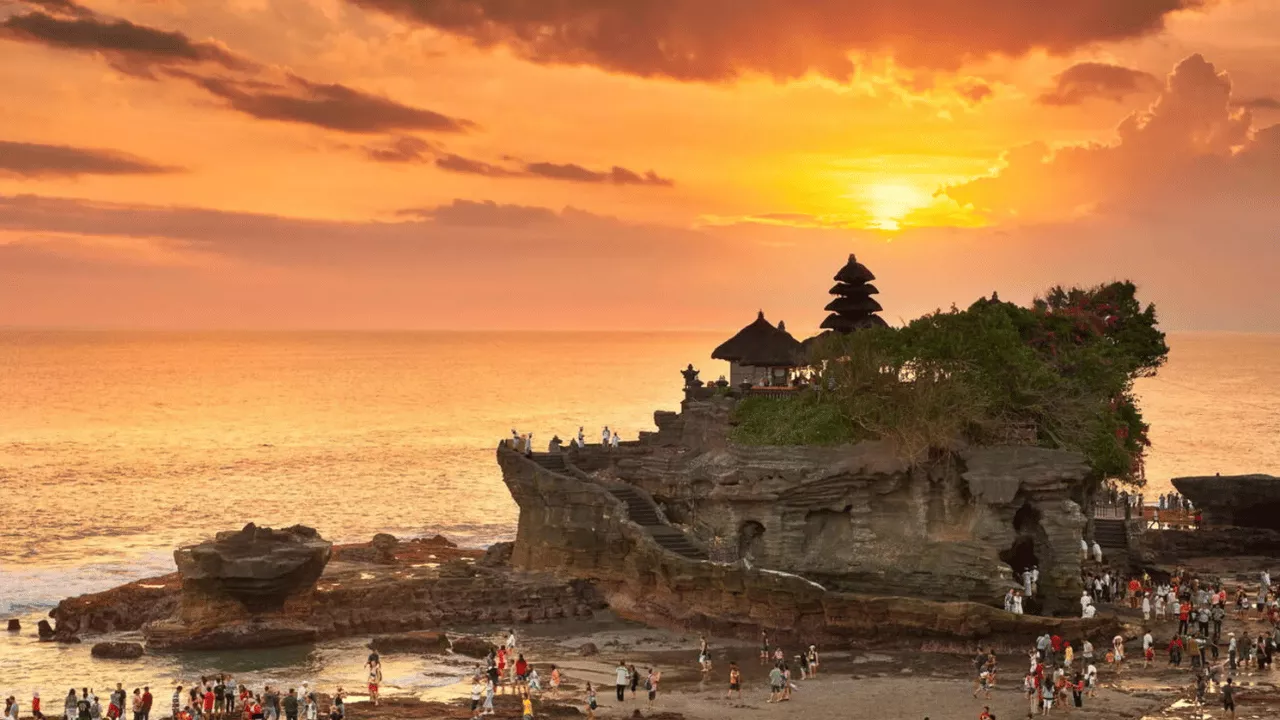
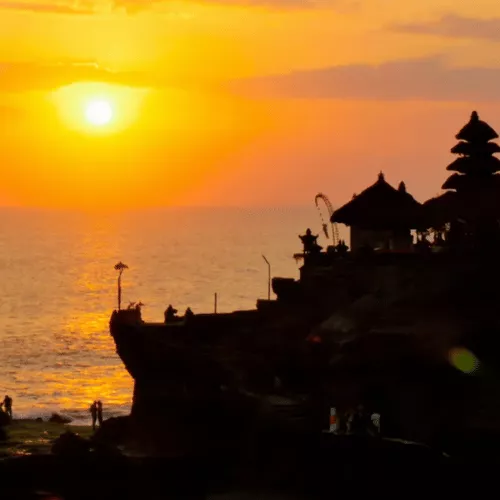
Sunset (around 17:00 – 18:30): This is widely regarded as the most magical time to visit. The temple silhouette against the glowing sky and the ocean backdrop create a truly iconic Bali image.
Early morning or midday (10:00 – 14:00): For a quieter experience with fewer crowds, these hours offer a more peaceful visit. It tends to be less busy and ideal for those who prefer a calm atmosphere and photography without large groups.
4 Interesting Things in Tanah Lot Temple
1. Holy Cave with Sacred Snake
Beneath the main rock formation of Tanah Lot lies a cave that — according to local legend — houses a sacred sea snake. This snake is believed to guard the temple from evil spirits and protect the sanctity of the site.
Visitors sometimes hear stories from locals or guides about this mysterious guardian, adding an air of mysticism and reverence to the visit.
2. Beautiful Sunset
Perhaps the most famous draw of Tanah Lot is its sunset — as the sun dips below the horizon, the temple’s silhouette stands out dramatically against golden skies and shimmering ocean waves.
Clouds, crashing waves, and the cliffside vantage points make for unforgettable panoramic views — perfect for photography and quiet reflection.
3. Unique Temple Building
Unlike many temples on Bali that are inland, Tanah Lot is built on a rocky islet — making it a “sea temple.” Its unique positioning on rock surrounded by the ocean gives it a dramatic, almost mystical feeling.
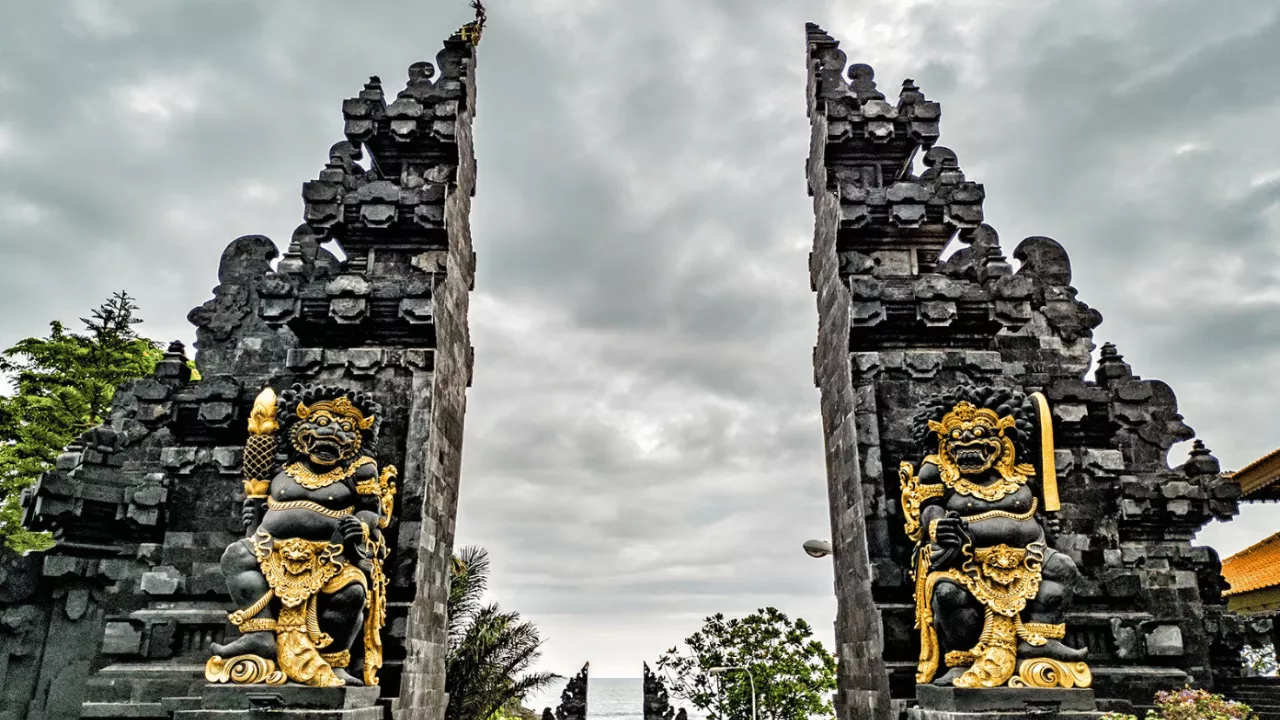
Though visitors cannot enter the inner sanctum (reserved for worshippers), the outer grounds, cliff-side walkways, and views of the temple against the sea still offer a powerful sense of spirituality and natural beauty.
4. Pujawali Ceremony
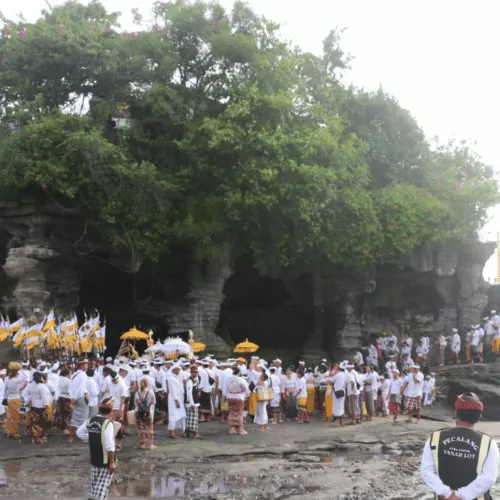
As a functioning sacred site for Balinese Hindus, Tanah Lot sometimes hosts religious ceremonies — an opportunity for visitors to witness traditional devotion and Balinese spiritual culture.
Participating (respectfully as an observer) in such occasions can offer deeper insight into local customs, beliefs, and the living heritage that continues to define Bali’s identity.
Tanah Lot Temple Dress Code
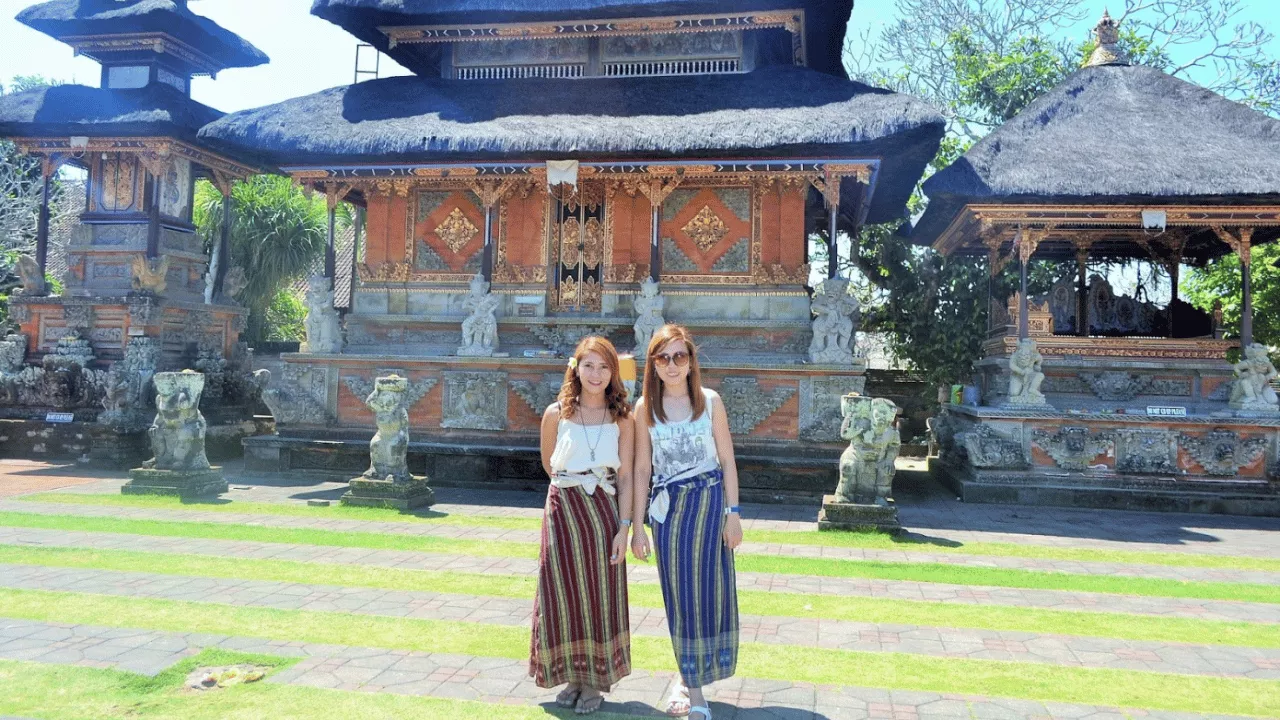
While the inner sanctum of Tanah Lot Temple is restricted to worshippers conducting prayer rituals, the outer temple grounds remain open to the public. Even though visitors cannot enter the central shrine, the surrounding areas still hold spiritual significance, and respectful behavior—including proper dress—is highly encouraged. To honor the sacredness of the site, guests are advised to dress modestly, with clothing that ideally covers the shoulders and knees, reflecting the cultural expectations present at most Balinese Hindu temples.
Visitors should avoid wearing clothing that is considered overly revealing, such as bare-shouldered tops, crop tops, low-cut garments, or short skirts and shorts. These dress guidelines are not meant to inconvenience tourists but to maintain harmony with local customs and religious values. Balinese temples are living places of worship, and dressing respectfully is one of the simplest ways for travelers to show appreciation for the culture they are experiencing. In some cases, sarongs may be available for rent or use near temple entrances, though they are not always required if clothing is already appropriate.
In addition to cultural considerations, choosing the right attire also makes the visit more comfortable and safe. The pathways around Tanah Lot include rocky surfaces, uneven steps, and coastal areas where sea spray can make the ground slippery. For this reason, wearing secure and comfortable footwear—such as sandals with good grip or walking shoes—is highly recommended. Practical, modest clothing makes it easier to explore viewpoints, walk to the tide-exposed cave during low tide, and enjoy the temple’s scenic beauty without difficulty. Combining respectful dress with sensible footwear ensures a smooth, enjoyable, and culturally mindful temple visit.
Tanah Lot Temple remains one of Bali’s most evocative destinations — a place where natural beauty, spiritual heritage, and cultural tradition converge spectacularly. Whether you’re drawn by the legendary origins tied to Dang Hyang Nirartha, enchanted by the sacred cave and sea-going myths, or simply seeking the perfect sunset frame, the temple offers a unique experience that resonates long after you leave. For any traveler to Bali, a visit to Tanah Lot promises a memorable mix of awe, reflection, and serene coastal charm.
Tanah Lot Entrance Fee
Visiting Tanah Lot Temple requires an entrance fee, which contributes to the preservation of the temple complex, maintenance of public facilities, and support for the local community. The fee grants access to the viewing areas, coastal pathways, cultural zones, and the surrounding park where visitors can enjoy shops, restaurants, and photo spots. While ticket prices may vary over time based on local regulations, the fee remains an excellent value considering the beauty and cultural importance of the site.
Upon entering, visitors will find designated ticket counters, clear signage, and well-managed pathways leading toward the main viewpoints. The entrance fee also helps maintain cleanliness and visitor safety throughout the temple area. To ensure a smoother experience, it is recommended to bring cash, arrive earlier during peak seasons, and keep the ticket for re-entry into designated sections. The temple’s upkeep relies heavily on visitor contributions, making the entrance fee an important part of supporting Bali’s heritage.
Find Your Perfect Accommodation with Villa Buddy
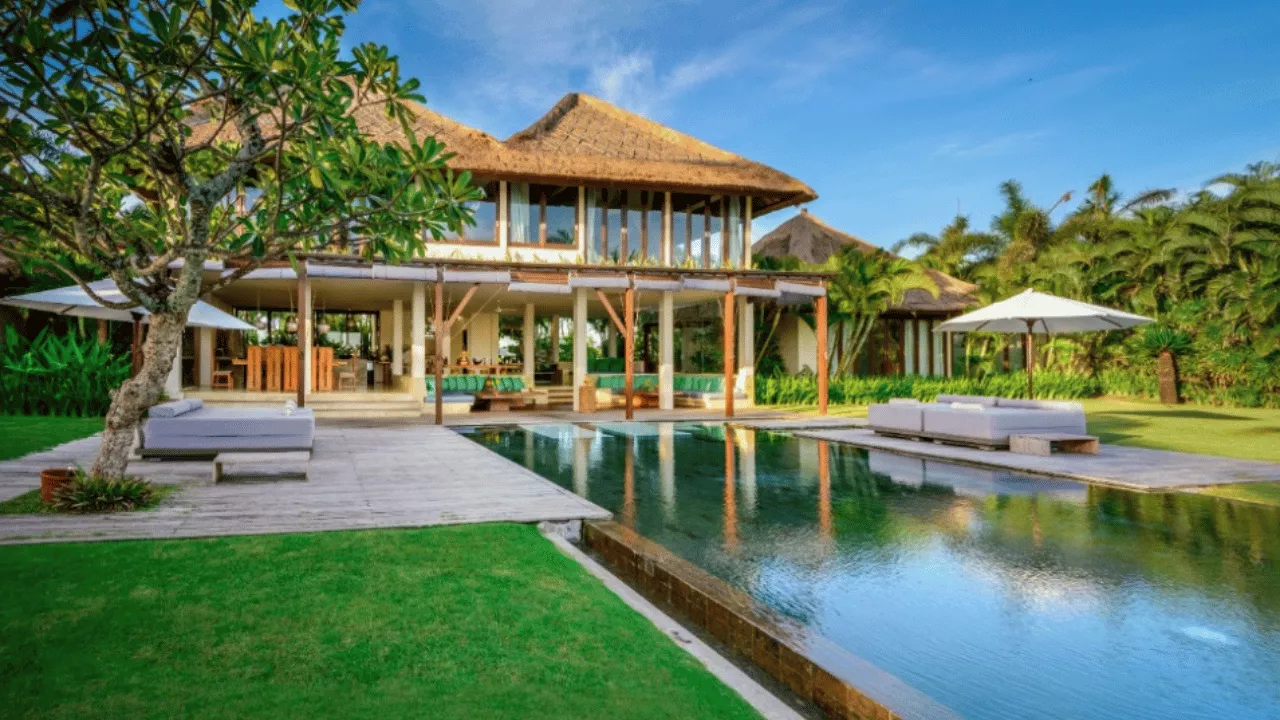
For travelers looking to stay near Tanah Lot or explore Bali with comfort and confidence, Villa Buddy offers a curated selection of premium villas tailored to different travel styles. Whether you’re planning a peaceful coastal retreat, a romantic getaway, or a family-friendly holiday, Villa Buddy features carefully inspected properties that meet high standards of quality, privacy, and convenience. Each villa listing includes detailed descriptions, real guest reviews, and beautiful imagery to help you choose the perfect stay with ease.
What sets Villa Buddy apart is its commitment to personalized service. Their team provides local insights, trusted recommendations, and direct support throughout your booking process—ensuring a seamless and stress-free vacation experience. From beachfront escapes to luxurious private pool villas, Villa Buddy connects you with accommodations that enhance your Bali journey. With professional assistance and handpicked options, finding your ideal villa becomes effortless and enjoyable.
Frequently Asked Questions
What is Tanah Lot Temple famous for?
Tanah Lot Temple is renowned for its dramatic offshore setting, built on a rocky island surrounded by the sea. It is one of Bali’s most iconic landmarks, especially known for its stunning sunsets and strong spiritual significance as a sea temple.
Can visitors enter the main temple area?
The inner sanctum of Tanah Lot is reserved exclusively for Balinese Hindus performing prayers. Visitors can explore the outer grounds, viewpoints, and coastal areas but cannot enter the central shrine.
What is the best time to visit Tanah Lot Temple?
Late afternoon, especially around sunset, is considered the best time to visit due to the beautiful colors and silhouette views. For fewer crowds, visiting in the morning is also recommended.
Is there a dress code for visiting Tanah Lot?
Yes. Modest clothing is expected, with shoulders and knees ideally covered. While sarongs are not always required in the outer areas, respectful attire is recommended at all temples in Bali.
How do tides affect a visit to Tanah Lot?
During high tide, the temple appears to float in the ocean and the rocky path becomes inaccessible. During low tide, visitors can walk closer to the base of the rock and visit nearby caves. Checking tide schedules can enhance the experience.